AI-powered sleep tools promise to turn vague nights of “I feel tired” into specific numbers. An AI Sleep Quality Test looks at your breathing, heart rate, movement, and routine, then boils everything down into an easy score.
That score can highlight hidden problems, point you toward better habits, and sometimes flag issues that deserve medical attention. Good use starts with knowing what the test can and cannot tell you.


What an AI Sleep Quality Test Actually Measures
Most AI sleep systems combine data from sensors with machine learning models that were trained on thousands of nights in sleep labs.
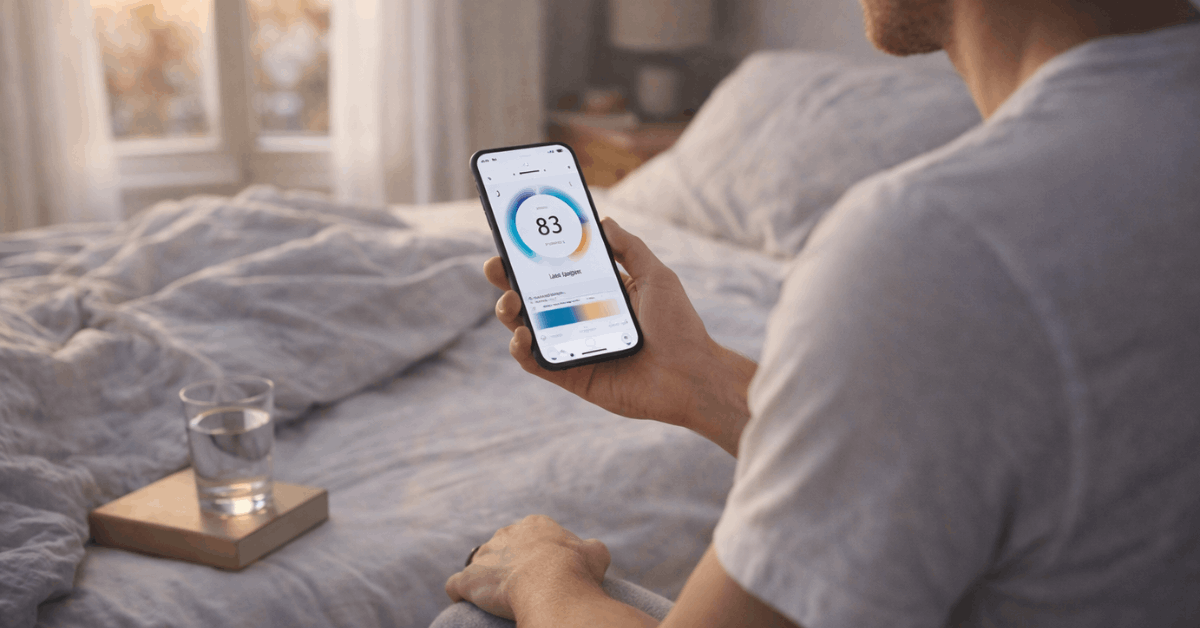
Those models learned how patterns in heart rate variability, breathing rhythm, and movement correspond to sleep stages and disturbances, then turned those patterns into predictions that match expert scoring closely.
Results usually show sleep duration, time in light, deep, and REM sleep, plus a single AI sleep score that sums up the night.
An AI sleep tracker generally examines three themes:
- Sleep quantity timing
- covers how long you slept and
- how consistent your schedule stays.
Sleep continuity focuses on awakenings, how long they last, and how fragmented your night becomes. Physiology comes last, where the AI sleep analysis engine pays attention to resting heart rate, heart rate variability, respiratory rate, and sometimes snoring or oxygen estimates.
Around one billion adults worldwide are thought to have obstructive sleep apnea, and many remain undiagnosed, according to large epidemiological reviews.
That burden is one reason so many platforms now add AI sleep apnea screening on top of basic tracking. Abnormal breathing patterns, heavy snoring, or repeated arousals may prompt consideration of speaking with a doctor or arranging a formal sleep study.
Top AI Sleep Tracking Devices For Home Use
Consumer devices will not replace full polysomnography, yet they already give detailed night reports. Leading trackers combine comfortable form factors with strong algorithms and clear visuals that make your AI Sleep Quality Test easier to understand.
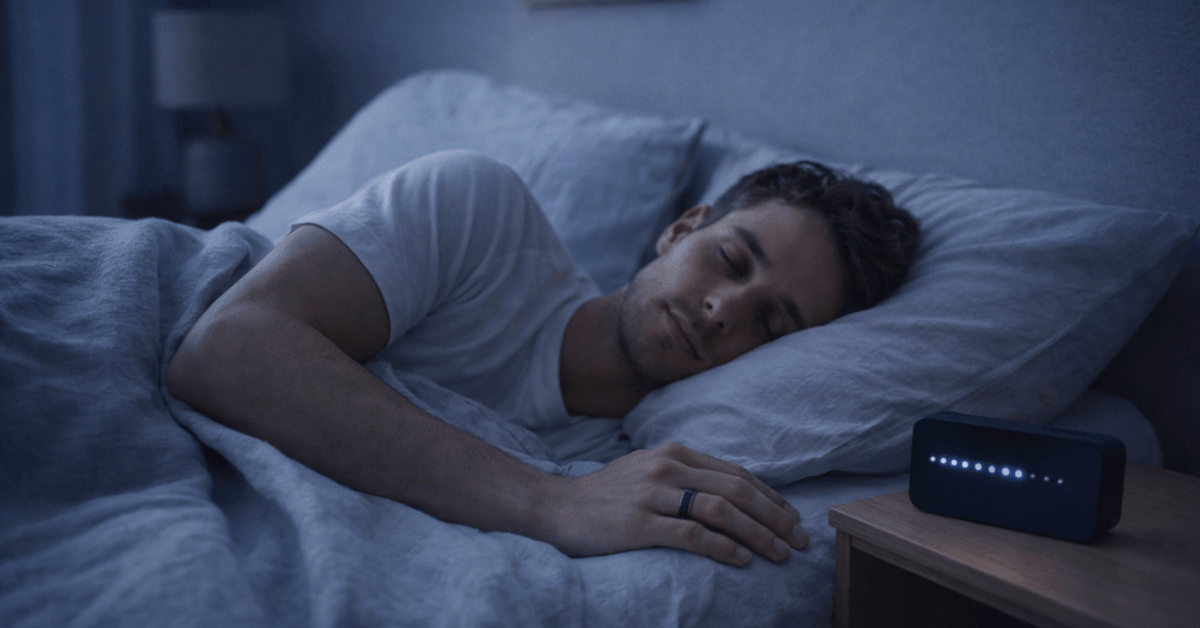
- Oura Ring 4 focuses on sleep and recovery, using a screenless ring to track key signals and deliver daily sleep and readiness scores.
- Whoop 5.0 targets athletes, pairing a strap with AI sleep coaching that links training load, stress, and night quality to simple recovery suggestions.
- Samsung Galaxy Ring integrates tightly with Galaxy phones, adding an Energy Score built on Galaxy AI, along with snore detection for Android users. The
- Eight Sleep Pod 4 Cover sits under the sheet, changing mattress temperature automatically and delivering separate reports for each sleeper.
- Google Nest Hub (2nd Gen) uses Soli radar for non-contact sleep monitoring from the nightstand, tracking breathing and movement without cameras or wearables.
Each of these devices can run an overnight sleep quality AI test and summarize how restorative the night appeared. The best choice depends on whether you prefer wearing something, changing your mattress setup, or keeping sensors off the body entirely.
Non-Contact Sleep Monitoring and Research Models
Non-contact systems rely on radio waves, radar, or audio rather than straps and cables, which makes long-term tracking easier.
Radar-based devices such as the Nest Hub family read micro-movements from breathing and heartbeat at the bedside and convert them into sleep and wake estimates that align closely with lab equipment.
Research groups also train large models like SleepFM on hundreds of thousands of hours of clinical sleep studies, showing that a single detailed night of signals can predict risk for many conditions, including dementia and heart disease.
AI Sleep Apps and Digital Coaches
Phone-based tools help when wearing devices in bed feels annoying. SleepScore uses sonar waves from the smartphone speaker and microphone to map breathing and movement, building a nightly AI sleep score without any wearable device.
Sleeptracker-AI combines mattress or bed sensors with machine learning trained on more than one million nights, producing detailed trend reports that are validated against expert scoring.
App-only options still cannot diagnose sleep disorders, although they make it easier to spot patterns worth discussing with a professional.
How To Use AI Sleep Tests Without Ignoring Real Symptoms
Smart data helps only when interpreted in context. A sensible routine makes the AI Sleep Quality Test a useful aid rather than a distraction.
- Start with a clear question, such as whether your schedule works or whether late caffeine is hurting sleep, then watch for consistent trends rather than single bad nights.
- Treat your AI sleep tracker as a coach, not a judge, and avoid obsessing over tiny score changes that fall within normal nightly variation.
- Log key lifestyle factors such as late meals, alcohol, workouts, and stress so the AI sleep analysis has context for sudden score swings.
- Take snore flags, low breathing scores, or repeated alerts about disrupted nights seriously and consider arranging an evaluation for possible apnea or other disorders.
Seek professional help quickly if the app hints at risk, and you also have red flag symptoms such as loud snoring, gasping at night, morning headaches, or severe daytime sleepiness.
Should You Trust an AI Sleep Quality Test?
Sleep scores are most effective as an early-warning tool and a habit feedback loop. An AI Sleep Quality Test can rank your nights, show how consistent your routine really is, and highlight breathing or movement patterns that deserve attention.
That makes it easier to experiment with earlier bedtimes, different wind-down routines, or reduced alcohol, and then see how the sleep quality AI test responds.
Health data still demands caution. Serious sleep problems, especially suspected sleep apnea or severe daytime sleepiness, call for a clinician, preferably one who understands AI sleep coaching tools and can interpret their reports alongside formal tests. Used that way, AI sleep systems play a strong role in keeping long-term health on track rather than replacing medical advice.
Last Thoughts
Treat an AI Sleep Quality Test as a trend tracker and habit coach, not a diagnosis tool. Pair nightly scores with your symptoms and goals, then run small experiments on timing, caffeine, screens, and wind-down routines.
Keep notes so patterns become obvious and the changes you make stay deliberate. Seek clinical care quickly if red flags appear, including loud snoring, gasping, morning headaches, or severe daytime sleepiness.