Energy feels personal, but wearables keep trying to turn it into a number. An AI-Based Score to Know Energy Level usually combines sleep, activity, and heart signals into a daily estimate of readiness.
That estimate can be helpful on low-sleep weeks, heavy training blocks, or stressful work stretches. Still, the score is a model output, not a truth serum, so the goal is smarter decisions rather than obsession.



What an AI Energy Score Really Measures
“Energy” inside a health app rarely means motivation or mood. Most systems aim to approximate recovery and capacity for physical and mental effort using physiological proxies. Heart patterns during sleep can hint at stress load.

Sleep quality and consistency can hint at recovery. Recent workload can hint at strain. A good mental model helps: these platforms try to score “how prepared the body seems today” based on signals captured yesterday and overnight.
Samsung Energy Score as A Real Example
Samsung’s Energy Score is a useful case because it shows how consumer products define the concept in practice. Samsung positions the feature for general wellness, using tracked data that typically includes sleep, prior activity, and heart-related signals recorded overnight.
Public explanations around the feature describe a daily score that reflects readiness rather than a medical assessment, and the score depends on consistent tracking and syncing through Samsung Health.
Another important detail shows up in community discussions: lifestyle settings and “usual range” baselines can influence how the score reacts. When routines change sharply, the score can feel stubborn or oddly strict, since the model is comparing current inputs against historical patterns rather than reading the day like a human would.
Signals That Usually Feed The Model
Multiple inputs matter because one signal rarely explains fatigue on its own. Modern platforms blend signals to reduce false alarms and smooth out noisy readings, especially when sensors misread movement or sleep stages.
Common inputs include:
- Sleep duration, sleep stages, and sleep consistency tracking across the week.
- Prior-day activity volume and intensity, often summarized as a wearable energy score baseline.
- Resting heart rate trends and heart rate variability recovery patterns during sleep.
- Stress-adjacent indicators, such as elevated nighttime heart rate or frequent awakenings.
- Behavioral context when users log meals, caffeine, late workouts, or unusual schedules.
Research reviews in wearable fatigue detection also point to broader multimodal approaches, combining signals such as ECG and EEG in some studies to improve prediction reliability.
Consumer devices usually do less than lab setups, but the direction is clear: multimodal fatigue prediction tends to outperform single-signal guesses when data quality is good.
Why Companies Build These Scores
Companies sell these scores as guidance, not diagnosis. Two incentives show up repeatedly across product messaging and user behavior.
Self-awareness is the first one. People like tracking patterns and spotting trends, especially when the score matches lived experience after a bad sleep week. A score can also validate rest days when discipline culture pushes constant effort.
Actionability is the second one. A score becomes sticky when it leads to decisions: adjust training intensity, shift deep work to a better window, or protect bedtime after several low days. Many apps pair the number with personalized coaching tips, aiming to turn raw data into a simple plan.
Where Scores Can Go Wrong
Even strong sensors and models can misread real life. User feedback around energy-style scoring often points to the same failure modes.
Baselines Can Be Overly Rigid
A person with a variable routine, travel, night shifts, or irregular training can look “off pattern” more often than “unwell.” Sleep tracking errors can also cascade, since sleep drives many recovery estimates.
Wrist wearables sometimes mislabel quiet wakefulness as light sleep or misread movement-heavy sleep.
Timing Matters Too
Some scoring approaches lean heavily on overnight data and prior-day activity, so the number may not respond to what happens later that same day. That gap frustrates users who want a score that updates dynamically during intense days.
A bigger limitation sits underneath everything: these are wellness ,not clinical outputs. Stress, illness, overtraining, and mental workload overlap physiologically, so a single score can’t explain the cause without context.
How To Use an Energy Score Without Overtrusting It
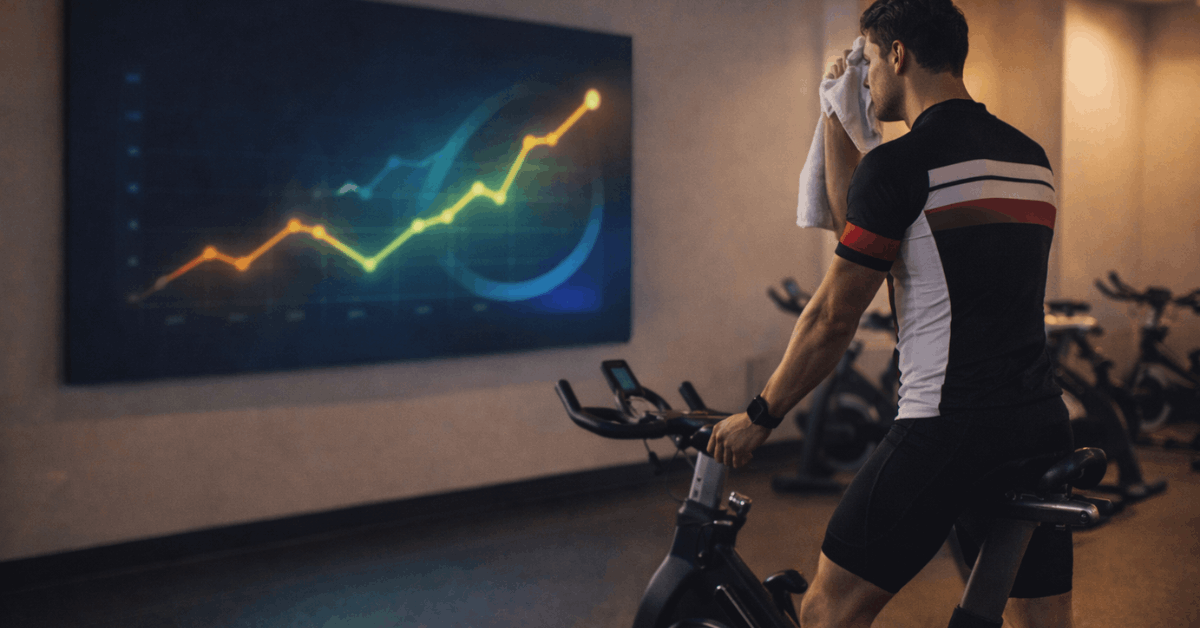
The score works best as a decision aid, not a grade. Small habits can make it more accurate and more useful, even when the model is imperfect.
Practical rules that usually help:
- Treat the number as a daily readiness metric and pair it with one subjective check, such as mood or soreness.
- Keep wearable fit consistent, since loose sensors create noisy heart and sleep signals.
- Watch the trend line across a week, not the daily swing, especially during travel or deadlines.
- Use the app’s guidance as suggestions, then test changes slowly instead of chasing quick fixes.
- Flag obvious context in personal notes, such as alcohol, late flights, fever, or a hard interval session.
Scores also get more meaningful when they support a simple routine. Regular sleep windows, steady training volume, and predictable recovery habits reduce noise and make the trend easier to trust.
What’s Next For Energy Scoring
Energy scoring is part of a larger shift toward continuous health monitoring. Wearables already stream heart rate, motion, sleep staging, and sometimes temperature or oxygen saturation. Machine learning works well in this environment because patterns often matter more than single readings.
Expect broader feature sets, not one magical number. Platforms are trending toward “readiness plus reasons,” breaking the score into components like sleep, strain, and recovery. Expect more personalization as datasets grow, since models improve when they learn an individual’s normal range across seasons, travel, and life changes.
Energy scores will also keep attracting debate, and that’s healthy. A number can motivate better sleep hygiene and smarter training. The same number can also create anxiety if treated as a verdict. Long-term usefulness comes from interpretation, not precision.
Last Thoughts
Treat the number as guidance for today’s plan, not a diagnosis or grade. Pair it with a quick self-check on mood, soreness, and context, like travel.
Protect sleep windows, keep tracking consistent, and adjust training or workload in small steps. Focus on weekly trends and decisions that feel sustainable, then let the score follow.