
Staying focused feels more complex than ever, yet you still need sharp concentration to learn, work, and live productively worldwide.
The guidance below offers practical, research-supported tactics you can apply today.



Each section opens with a brief orientation, followed by balanced paragraphs and lists so you can scan or study at your own pace.
What Disrupts Your Concentration?
Modern life throws countless obstacles at your attention. Recognizing them lets you adjust sooner.
- Physiological strain, such as inflammation, vascular injury, abnormal protein buildup, and natural brain shrinkage, slows processing.
- Untreated conditions — including depression, sleep apnea, vision loss, and hearing decline — consume mental bandwidth as you struggle to see, hear, or think clearly.
- Anticholinergic medicines prescribed for allergies, incontinence, or mood disorders can blunt alertness.
- Frequent heavy drinking interrupts sleep and hampers memory formation, reducing daytime focus.
- Information overload from endless worldwide media, social feeds, and notifications floods your filtering system.
Build a Foundation for Sharper Focus
Healthy daily habits give your brain the raw material it needs.
Sleep: Protect Cognitive Reserves
High-quality sleep clears metabolic waste and resets attention circuits. Aim for 7 or 8 hours of sleep nightly and establish consistent bedtimes, including on weekends.
Keep screens dark an hour before lying down, maintain a cool room, and wind down with relaxed reading or gentle stretching.
Exercise: Activate Neurochemical Support
Aerobic movement boosts blood flow and releases factors that forge new brain connections.
Worldwide recommendations suggest at least 150 minutes weekly, yet any incremental activity helps. Brisk walks, cycling errands, or bodyweight routines can help lift mental energy before demanding tasks.
Nutrition and Hydration: Fuel Efficient Thinking
A Mediterranean-style plate rich in fatty fish, leafy greens, berries, olive oil, and whole grains supplies antioxidants and omega-3s that stabilize attention.
Stay hydrated throughout the day; even mild dehydration hampers memory recall. When energy levels dip, moderate caffeine from coffee, green tea, or dark chocolate can increase processing speed without excess sugar.
Brain-supportive extras (consult a clinician first):
- Omega-3 supplements when seafood intake is low
- Verified herbal extracts such as ginseng or Rhodiola rosea for situational fatigue
- Creatine or choline if dietary sources are insufficient
Train Your Brain Deliberately
Cognitive workouts strengthen the “attention muscle” through progressive challenge.
Single-Task Reading Drill
Set a 30-minute reading block and start a timer that chimes every five minutes. Each time it rings, quickly note whether your mind drifted. Gently redirect if it did. This self-monitoring method reinforces sustained focus.
Game-Based Exercises
Regular sessions with evidence-backed puzzles sharpen working memory and response speed.
- Sudoku or crosswords for flexible thinking
- Chess for strategic planning under pressure
- Jigsaw puzzles for visual-spatial reasoning
- Word scrambles to expand verbal recall
- Digital brain-training apps that adjust difficulty dynamically
Concentration Workouts for All Ages
Try quick drills that demand full attention: sketch detailed doodles for 15 minutes, blink as little as possible during a timed interval, or slowly savor a piece of hard candy while describing each sensory change afterward.
Reflect on moments where your focus slipped and how you refocused.
Practise Mindfulness and Meditation
Brief, consistent mindfulness helps rewire the networks that govern selective attention. Sit comfortably, close your eyes, and anchor on natural breathing for five minutes.
When thoughts intrude, label them “thinking” and return to the breath without judgment. Yoga or deep-breathing variations deliver similar benefits if seated meditation feels challenging.
Over time, you’ll notice everyday distractions lose power because your brain identifies wandering earlier and corrects course faster.
Create a Focus-Friendly Environment
Small environmental tweaks prevent external noise from hijacking mental bandwidth.
Remove External Distractions
Designate a quiet workspace and communicate “focus hours” to colleagues or family members. Use noise-isolating headphones or relocate to a library if home interruptions persist. Turn off non-essential notifications on every device.
Limit Multitasking
Attempting several cognitive tasks simultaneously forces constant mental switching. Outline top priorities, tackle one item fully, then move to the next. App-blocking tools can restrict tempting sites while timers keep sessions short and purposeful.
Set Timers and Apply Timeboxing
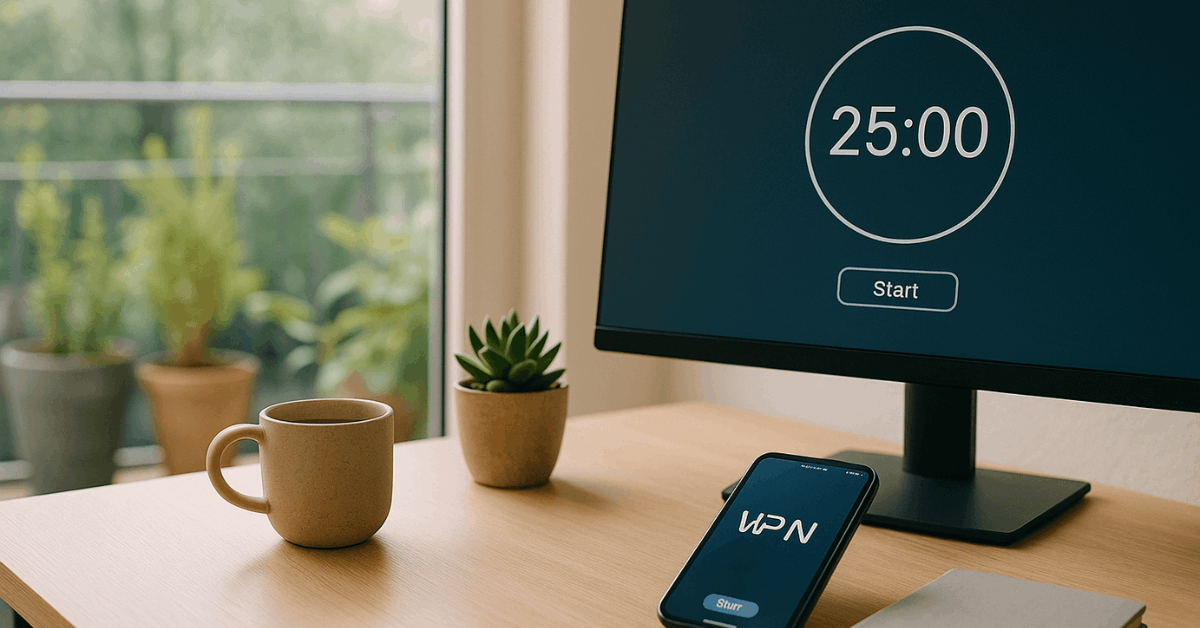
Allocate calendar blocks for specific duties, then activate a simple Pomodoro timer: work for 25 minutes, pause for 5, repeat four times, and enjoy a longer 15-minute break. Deadlines provide helpful pressure and discourage procrastination.
Use Music or White Noise Strategically
Instrumental background tracks or gentle nature sounds mask irregular office clatter. Keep volume low and choose neutral playlists to avoid lyrical distraction.
White-noise generators or “Forest”-style apps reward stretches of phone-free work by growing virtual trees.
Take Strategic Breaks and Use Nature
Attention naturally declines after prolonged effort. Short, intentional pauses reset neurotransmitter supplies and creativity. Step outside, stretch, or drink water when you start to feel mental fatigue.
Exposure to greenery, even indoor plants, lowers stress hormones and improves reaction times. If possible, walk through a nearby park during lunch or position a succulent on your desk for subtle restorative gains.
Know When to Seek Professional Support
Persistent concentration trouble could signal underlying medical or psychological issues worldwide. Discuss ongoing brain fog, memory lapses, or disruptive inattention with a healthcare provider.
Assessments may reveal treatable conditions such as ADHD, mood disorders, sleep apnea, traumatic brain injury, or medication side effects.
Early intervention can preserve cognitive health and prevent mistakes from compounding at work or home.
Practical Checklist for Daily Focus
Building sharper focus starts with small, consistent habits that support both mental clarity and physical energy throughout the day.
- Sleep seven to eight hours and wake consistently.
- Move at least thirty minutes most days; walk if intensive workouts are unrealistic.
- Fuel with balanced meals and steady hydration; moderate caffeine strategically.
- Schedule top tasks in realistic blocks and silence non-critical alerts.
- Single-task by addressing one commitment before starting another.
- Insert breaks every ninety minutes; get daylight and fresh air when possible.
- Practice mindfulness five minutes daily, increasing duration gradually.
- Train your brain using brain games three to five times a week.
- Evaluate supplements with professional advice instead of self-prescribing.
- Seek help if concentration remains impaired despite lifestyle adjustments.
Final Thoughts
Improving focus is achievable through consistent, evidence-based habits rather than quick fixes.
By combining healthier living, structured mental training, environmental adjustments, and mindful breaks, you give your brain optimal conditions to filter distractions, process information efficiently, and maintain sharp concentration worldwide.
Invest steadily, and you will notice longer attention spans, faster completion times, and greater confidence in tackling demanding projects.