More people are exploring digital payments every day, and PayPal sits right in the middle. It feels like almost everyone has a PayPal account, whether for shopping, business, or getting paid.
But how exactly do PayPal credit cards fit into that mix? It's a question that pops up surprisingly often. This guide helps demystify how PayPal credit cards interact with your PayPal account . It's meant for anyone interested in online financial tools or just looking to handle digital payments more efficiently.



Understanding these connections can mean saving time, unlocking new features, and possibly boosting your payment security.
The details matter, especially if you’re weighing whether to apply for a PayPal-branded card or simply link your existing credit cards to PayPal. Knowing your options, risks, and benefits helps you decide what feels right.
What Is a PayPal Credit Card?
The term ‘PayPal credit card’ covers a few possibilities. You might see options like the PayPal Cashback Mastercard or the PayPal Extras Mastercard. Each has unique features. These are real credit cards issued by Synchrony Bank, not prepaid cards or simple PayPal balances.
They function like standard credit cards, but they're purpose-built to sync with your PayPal account in some interesting ways. Some users might think of ‘PayPal credit’ as that short-term “Pay Later” service, but here we're strictly covering true credit cards.
When you hold a PayPal credit card, you’re able to use it anywhere Mastercard is accepted, not just at merchants who take PayPal. However, having one doesn't replace your PayPal Wallet.
Instead, it adds an extra layer, enabling features such as flexible spending, cash rewards, and security benefits directly linked to your digital payment experience.
How PayPal Credit Cards Link to Your Account
Integration between a PayPal credit card and your account isn’t automatic—you must activate the connection.
Usually, during the card application, you’re prompted to log in. Once approved, your new PayPal card typically appears in your Wallet within seconds. It’s subtle but convenient. You can manage card transactions, view statements, and pay your credit bill right from your PayPal dashboard.
For people already familiar with adding regular credit or debit cards to their Wallet, it's quite similar in process, though not in function. The PayPal credit card often becomes the default funding source unless you specify otherwise.
That’s useful for anyone who prefers to keep business and personal expenses neatly separated, or wants to maximize points and rewards linked to these PayPal cards.
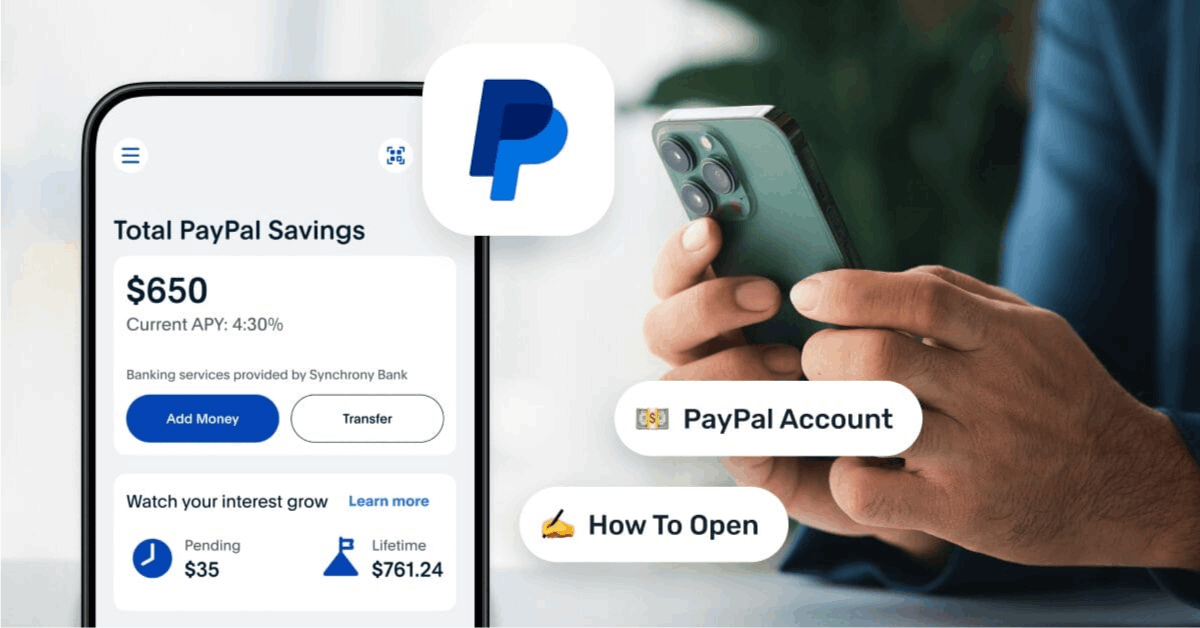
Benefits of Connecting a PayPal Credit Card
Why bother with the card-to-account link at all? There are several reasons.
Perhaps the biggest is streamlined online shopping—your card is ready to use the moment you’re in the checkout flow with PayPal. This reduces the need for entering numbers or re-authenticating repeatedly.
Extra Security Layers
When the PayPal credit card is connected, PayPal’s built-in fraud protections stack on top of those provided by Mastercard.
Even if your card information is compromised, you normally won’t be liable for unauthorized purchases. Since PayPal hides your real card data from merchants, it creates double protection in a digital world where data risks aren’t uncommon.
Easier Rewards Management
Whether it’s cash back or travel points, having your card linked into PayPal lets you track rewards alongside other payment options.
Everything sits within a single dashboard—there’s no extra app or site to check for points totals, redemption thresholds, or bonus offers. Some users might find this tidiness motivating, especially for budgeting.
Automatic Syncing of Statements
All purchases made with your PayPal credit card are automatically logged into your activity feed. This can be reassuring. There’s less hunting around at tax time or when you want to dispute a charge.
It’s not perfect, as statement details can sometimes lag behind real transactions, but for routine shoppers it usually means a lot less paperwork and confusion.
How Purchases Work With PayPal Credit Cards
Purchasing with the PayPal credit card through your account doesn’t feel too different from any normal checkout. Choose your funding source at checkout—your PayPal card, bank, or wallet balance.
If you select your credit card, the transaction is routed through Mastercard’s network. Quick and familiar. For those who worry about overspending, it’s possible to customize spending alerts and payment reminders right in PayPal’s dashboard. Some users might say the integration isn’t flawless every time, but generally it’s straightforward.
When using the card outside PayPal, it's just like any traditional credit card. Purchases, payments, and interest charges work as expected. But when used within PayPal, you might spot speedier resolution with refunds and disputes—possibly a minor but pleasant surprise.
Split Payments and Flexible Funding
One hidden feature: if your credit limit can’t cover a purchase, PayPal may let you split payment across multiple sources. It’s relatively rare with other cards.
The process is mostly automatic; simply select both the PayPal card and another eligible funding source if prompted at checkout. Not everyone needs this, but for larger purchases or in-between paydays, it could ease uncertainty.
PayPal Credit Card Rewards and Fees
Most PayPal-branded credit cards come with reward programs—either cash back or points that can be redeemed on PayPal purchases, gift cards, or travel. Terms vary, so checking the latest on PayPal’s official site is best: PayPal Credit Cards.
While rewards are appealing, these cards aren’t free from fees. There are standard interest charges if the balance isn’t paid monthly, and some cards may charge for foreign transactions or late payments. It pays to review the fee table before applying or using the card widely.
Cash Back and Redemption Options
For example, the PayPal Cashback Mastercard currently offers a flat percentage back on every purchase. Rewards typically pile up automatically, and redemption can be instant—often straight into your PayPal balance.
Some users find that more manageable than dealing with complicated catalogs or point transfers, which remains a selling point for PayPal’s approach.
Managing Your PayPal Credit Card Within Your Account
Accessing your card details is simple—log into your account and open the Wallet tab. From here, users can add or remove payment options, monitor available credit, and set up autopay for the statement balance or minimum payment.
The synergy between card and account can help avoid missed due dates. You’ll also get emails when statements are ready or payments post, although the timing sometimes varies by bank or billing cycle.
If there are questions about limits, security holds, or card replacement, PayPal's official help center offers details: PayPal Help Center. User support remains available both through your PayPal dashboard and by phone with Synchrony Bank.
Security and Privacy: How Safe Is This Setup?
Combining a PayPal credit card with your account blends traditional bank security with PayPal’s digital protections. Purchases are often monitored for suspicious activity, and there’s zero liability for unauthorized transactions. In most cases, any fraud is resolved with little hassle, though response times differ.
PayPal keeps your card details hidden from online retailers. Even on merchant sites you don’t fully trust, this setup ensures your sensitive info is kept private. Two-factor authentication and transaction notifications add extra vigilance. For users committed to safer online payments, these protections are reassuring.
Potential Drawbacks and Common Questions
No setup is perfect. Some users mention occasional hiccups—disputes may take time, and syncing between card statement dates and available balance isn’t always instant. There’s also a credit check when applying, which may affect your score minutely. If you lose access to your PayPal account, managing the card requires resolving the login problem first, which can be frustrating in rare scenarios.
Sometimes, linking multiple cards can get confusing. For budgeting, it’s wise to double-check active funding sources within your Wallet. Interest rates on PayPal credit cards may be higher than some competitors, so reviewing your options remains important. Each user’s priorities and comfort with digital finance matter here.
Conclusion: Making the Most of PayPal Credit Cards With Your Account
Linking a PayPal credit card to your account can reshape how you shop and manage money online. It's about blending convenience, security, and a streamlined digital workflow.
Some people say it feels like second nature once set up, while others highlight the peace of mind gained from added security layers. Though there’s no one-size-fits-all answer, understanding these tools puts you in a better place to use digital payments wisely. It's a modern option worth exploring for many regular PayPal users.