Online shopping habits have changed dramatically, with countless payment options at checkout. Deciding between a PayPal Mastercard and a store credit card can be confusing, perhaps especially for budget-minded or digitally savvy buyers.
This article aims to help anyone who purchases online and wants better value and protection. We’ll uncover the unique strengths and drawbacks of each payment method. If squeezing more from every transaction appeals to you, read on.



Understanding the PayPal Mastercard for Online Shopping
Many online shoppers are drawn to the PayPal Mastercard for its blend of convenience and flexibility. As a major payment brand, it offers various features worth understanding in detail.
Integration with PayPal Accounts
This card directly links with your existing PayPal account, making it easy to use funds from your balance. Most major online retailers now support PayPal, widening your shopping choices.
Rewards and Cashback Opportunities
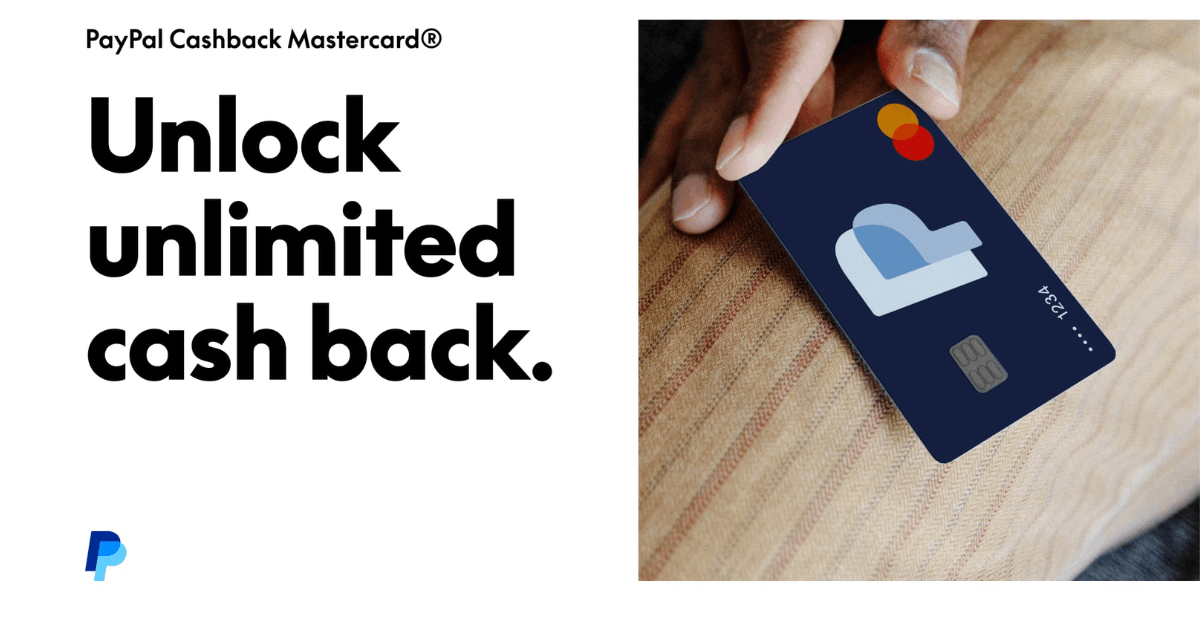
Some versions, like the PayPal Cashback Mastercard, provide up to 2% cash back on purchases. The points accumulate automatically, which can be appealing if maximizing rewards is a priority.
Global Usability and Accepted Merchants
Unlike store credit cards, a PayPal Mastercard is accepted wherever Mastercard is. That means thousands of sites and stores, making it suitable for those who shop on international platforms or various brands.
Security Measures for Digital Purchases
PayPal offers robust buyer protection on qualifying purchases. The added layer of not sharing your personal card number with each retailer can possibly reduce your exposure to breaches or fraud.
Exploring Store Credit Cards for Online Shopping
Store credit cards still have a strong presence, especially for shoppers loyal to certain brands or retailers. They come with their own set of benefits, but also some important limitations worth noting.
Exclusive Rewards and Promotions
Many store credit cards feature special discounts, early access to sales, or unique point schemes. These offers can be generous at times, though their value depends on how often you shop at that particular store.
Limited Acceptance Outside the Store
One challenge with store cards is they usually work only with the issuing brand or its website. You could find yourself needing multiple cards for different retailers, increasing complexity without much added value.
Deferred Interest and Financing Offers
Some store credit cards have no-interest or deferred interest promotions. These can be tempting but often require careful management; missing a payment may lead to high retroactive interest charges.
Cardholder-Only Perks and Events
Brands sometimes offer exclusive events or VIP treatment to their cardholders. If being first in line for new collections or sales is important to you, this might provide real satisfaction.
Comparing Fees, APRs, and Hidden Costs
Comparing the total cost of ownership is important. Both card types come with potential fees and interest rates that could impact your online budget over time.
Annual and Maintenance Fees
The PayPal Mastercard does not usually carry a yearly fee, while some store credit cards do. It’s worth reading the fine print to be clear about these potential charges.
Interest Rates and Payment Terms
Store cards often have higher APRs than traditional credit cards, sometimes reaching above 25%. The PayPal Mastercard typically has rates competitive with other mainstream credit cards.
Foreign Transaction Fees
Store cards tend to work only domestically, while the PayPal Mastercard may carry foreign transaction fees on international purchases. If you buy from overseas sellers, this could be important.
Security, Dispute Resolution, and Peace of Mind
Security is a key issue for most online buyers. The risk of unauthorized charges or disputes can’t be ignored, and both types of cards take different approaches to protection.
Zero Liability and Chargeback Support
PayPal Mastercards are covered by Mastercard’s fraud protections, generally providing zero liability for unauthorized use. Store cards offer varying levels of dispute support; not all store card issuers are as robust.
Buyer Protection Programs
PayPal’s buyer protection extends to eligible online transactions, which adds reassurance when shopping with smaller or lesser-known retailers.
Customer Support and Account Management
PayPal’s support is widely reachable, whereas store card customer service may be limited to business hours or less responsive. Timely help can be critical in case of fraud or billing issues.
Flexibility and User Experience in Practice
The everyday usability of each card matters, especially if you make frequent or varied online purchases where flexibility is meaningful.
Ease of Checkout and Mobile Integration
Because PayPal is integrated into so many checkouts and apps, payments tend to be fast and easy. Store credit cards typically involve more steps and may not work with one-click or autofill options.
Managing Multiple Cards and Payment Methods
Accumulating store cards can complicate tracking balances, payments, and promotional periods. Using a PayPal Mastercard consolidates more spending under one roof, which some may find more manageable.
Rewards Structures: Which Offers More Value?
Both cards dangle enticing rewards. The main difference lies in versatility and the ability to consistently earn, rather than only at one store.
Points vs. Cashback Comparisons
The 2% unlimited cashback on PayPal Mastercard purchases stacks up well against targeted 5–10% store rewards, given you can use it anywhere. Still, big in-store buyers may prefer higher niche rates if they’re truly loyal.
Redemption Options and Restrictions
PayPal rewards apply to statement credits or PayPal balance instantly, without blackout dates. Store cards sometimes have restrictive redemption windows or limited products.
Stacking Offers for Maximum Benefit
There’s a strategy in combining store deals with the right payment card. However, unless you’re a detail-oriented shopper, it’s easy to miss out, especially with expiring rewards or complex tracking.
Which Is Right for You? Key Considerations
The ultimate choice may depend as much on your habits as the cards’ features. No single card works best for everyone, contrary to what some might claim.
Loyalty vs. Flexibility
If you spend primarily at one brand, the targeted perks and deals via a store credit card can feel worthwhile. For broader shopping, however, the PayPal Mastercard generally wins on flexibility.
Total Cost and Risk Tolerance
If you carry balances, watch APRs and penalty fees closely. Deferred interest on store cards can trap even diligent buyers, while the PayPal Mastercard’s fewer fees and clearer terms may lower long-run risks.
Global Shopping Needs
Travelers or shoppers on international sites will find PayPal Mastercard’s worldwide acceptance, even with potential FX fees, far more practical.
Final Thoughts: Making a Safer, Smarter Choice
Ultimately, picking between a PayPal Mastercard and a store credit card is about your unique style and shopping needs. PayPal’s flexibility and global reach tend to suit most online buyers, especially those valuing safety and consistent rewards.
Store credit cards, perhaps, excel for brand devotees seeking maximum discounts or exclusive perks. But that narrow focus may not be for everyone. Perhaps a blended approach works, but it depends on comfort level and spending habits.
Taking an honest look at where, how, and why you shop may answer the big question better than any comparison table.