Personal finance in the Philippines can feel complicated, especially when quick access to cash is needed. Many people find themselves considering unsecured personal loans.
But what does that really mean? And who truly benefits? If you’re searching for ways to borrow money without offering property or assets as collateral, this guide might offer the clarity you’re seeking.
What Are Unsecured Personal Loans?
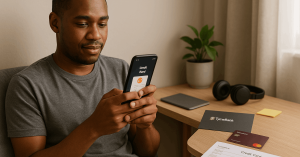
Unsecured personal loans are lending products where borrowers are not required to pledge any assets. That means no cars, homes, or other valuable possessions are needed to secure the loan.
Lenders approve these loans mainly by evaluating your creditworthiness, income, and employment status.
How They Differ From Secured Loans
In contrast to secured loans, where something tangible backs up the transaction, unsecured loans rely more on trust and track record. Usually, the lender’s risk is higher—so, sometimes, interest rates can reflect that.
Ideal Applicants
These loans are typically chosen by people who, for many reasons, can't (or would rather not) use assets as collateral. Freelancers, salaried employees, or maybe those with just a short-term cash need might find unsecured options worth exploring.
Why Unsecured Loans Appeal to Borrowers in the Philippines
The Philippine lending landscape has shifted in recent years, with more financial institutions competing in the unsecured lending space. This shift brings both positives and potential drawbacks.
Quick Access to Funds
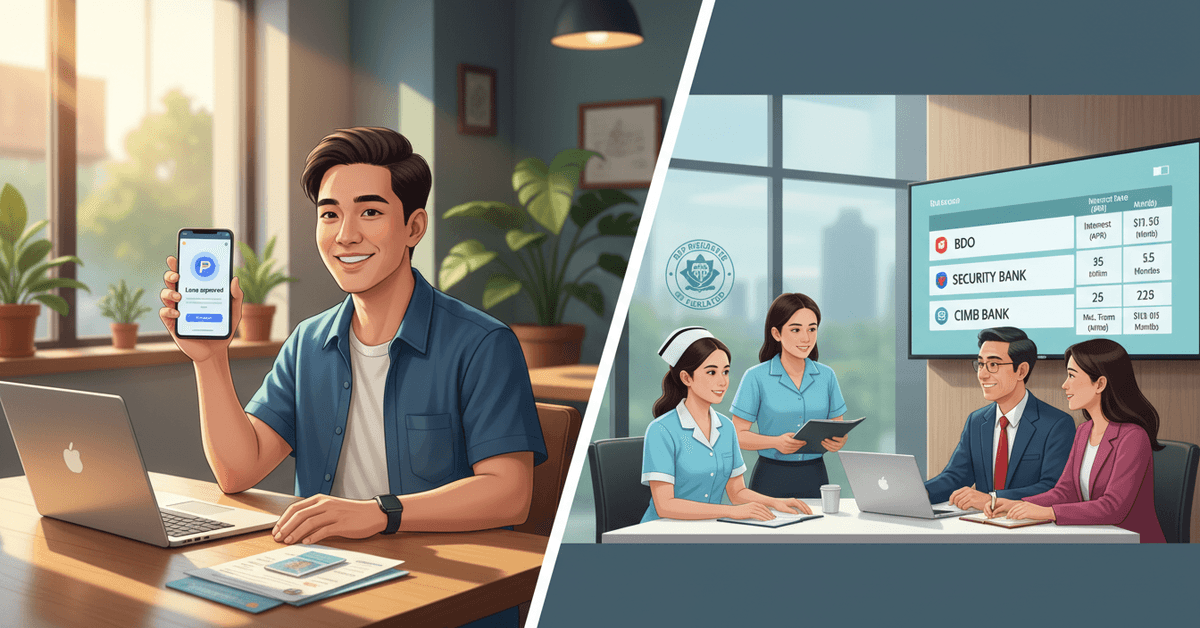
One of the greatest draws might be the fast approval process. Applicants often receive decisions within one to three banking days, sometimes faster if applying online.
For many, that speed makes all the difference during emergencies or when unexpected bills appear.
No Risk of Asset Loss
Since there’s no collateral requirement, there’s less fear about losing your home or car if repayments become difficult. That can provide substantial peace of mind.
Flexible Use of Loaned Amounts
Lenders generally don't dictate how the money is spent, whether it's debt consolidation, medical emergencies, or perhaps educational needs. This flexibility stands out compared to more restricted products, like auto or housing loans.
Who Offers Unsecured Personal Loans in the Philippines?
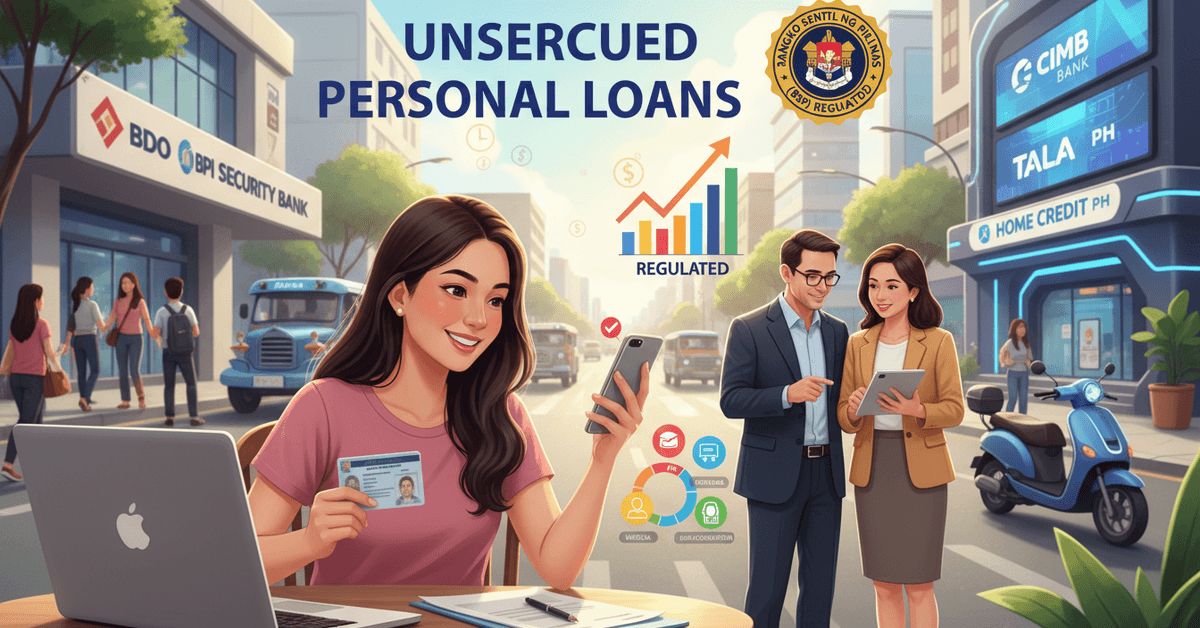
Today, many banks and lending companies provide these products. Some have moved entirely online, while others operate with traditional branches. These are some of the most prominent lenders:
- BDO Unibank
- BPI (Bank of the Philippine Islands)
- Security Bank
- CIMB Bank (digital-only)
- Tala Philippines (fintech)
- Home Credit PH
Many digital platforms streamline application steps, and some even offer special promos for new borrowers. However, always verify legitimacy—especially with online-only lenders—by checking BSP supervision status.
General Requirements for Application
Every lender has its own set of requirements. Still, some common criteria often appear across the board:
- Valid government-issued ID (e.g., SSS, UMID, passport)
- Proof of Filipino citizenship or residency
- Minimum age requirement (typically 21-65 years old)
- Proof of income such as a payslip or bank statement
- Active mobile number and email address for communication
It’s always a good idea to have digital copies ready, sometimes even before starting the application process.
Not all lenders require traditional employment; some consider applications from self-employed individuals, but proof of income is something hardly any institution overlooks.
Interest Rates and Repayment Terms
Interest rates for unsecured personal loans in the Philippines can differ significantly from one lender to another. A few factors are usually at play: your credit score, loan amount, term, and sometimes your profession or location.
Typical Ranges
Annual interest rates have ranged anywhere from 12% to 36%, based on research. However, some digital lenders may offer even higher rates due to the ease of access and speed.
Loan Duration
Repayment terms commonly span from 6 to 36 months. Shorter terms may mean higher monthly payments but lower total interest, so it's often a balancing act—something most borrowers have to weigh carefully.
Pros and Cons of Unsecured Personal Loans
It's not all sunshine with unsecured loans, and most borrowers are better off weighing the pros and cons:
Benefits
- Faster processing and release of funds
- No risk of asset seizure
- Minimal paperwork compared to secured products
- Typically available even to those without significant property
Potential Drawbacks
- Generally higher interest rates
- Lower maximum loanable amounts
- Strict eligibility screening, especially concerning income
- Possibility of unwanted marketing from less reputable lenders
Some people find the comfort of not risking their property outweighs the higher costs, while others might struggle with the stricter requirements. This balance isn't always easy to predict.
Common Pitfalls and How to Avoid Them
Borrowers sometimes face issues like hidden charges or aggressive collection tactics. For example, a missed due date might quickly add hefty penalties. To minimize these headaches:
- Read the loan agreement carefully before accepting terms
- Avoid deals that sound too good to be true
- Double-check the legitimacy of the lending institution (listings on the BSP site help)
- Be honest on your application—misstatements can result in automatic rejection
- Keep contact details updated with your lender to avoid missed reminders
Applying: A Step-by-Step Overview
Although each lender has its process, the general application flow for unsecured personal loans looks something like the following:
- Collect all required documents (IDs, proof of address, payslips, etc.)
- Visit the lender’s official website or branch
- Fill out the application form accurately
- Submit documents by upload or handed in-person
- Wait for evaluation—sometimes same-day, often within a few business days
- Upon approval, review and accept the loan agreement
- Receive your funds via the chosen disbursement channel (bank transfer, cheque, etc.)
Understanding Credit Scores in the Philippines
Credit scoring isn’t always talked about openly, but it’s a crucial factor in getting approved for any unsecured loan. Lenders in the Philippines use borrower credit data, such as repayment history and outstanding debts, to assess risk.
Improving Approval Chances
Even minor improvements—like paying down existing debts or ensuring mobile postpaid accounts stay current—can impact approval chances. Sometimes, it’s just about timing: applying when one’s income is higher could lead to better loan offers.
Conclusion
Explore unsecured personal loans in the Philippines, understand eligibility requirements, compare fast funding options, and learn how to borrow responsibly without collateral while managing repayment with greater confidence.
Note: There are risks involved when applying for and using credit. Consult the bank’s terms and conditions page for more information.