
Juggling multiple debts can feel overwhelming. That’s where debt consolidation loans in the Philippines might help. These loans are designed to combine several debts into a single monthly payment.
For many people here, they could be a practical approach to regaining some control over personal finances.



This guide discusses what debt consolidation is, how it might help, who may benefit, and what to know before getting started.
Whether you have credit card balances, personal loans, or even unpaid bills, the information here may offer clarity. If you’re looking for a way to simplify your debt situation, this article aims to help you make a more informed decision.
What Is a Debt Consolidation Loan?
A debt consolidation loan is essentially a new loan you use to pay off various existing debts. Imagine owing money to a few different lenders, maybe from different banks or even informal lenders.
Instead of several monthly payments, you move everything into one account with one payment, often at a new interest rate.
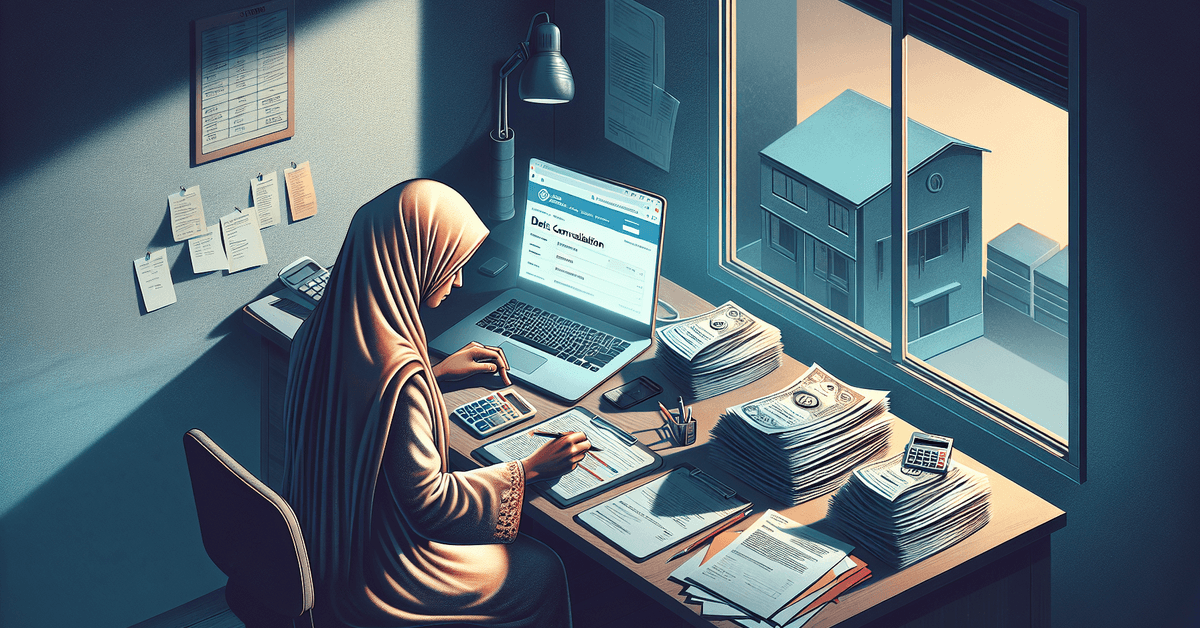
The main goal is simplification.
If you’re constantly keeping track of deadlines or trying to avoid missed payments, consolidating debts could take away some of that mental burden. It may even help you spend less on interest, depending on your new loan’s terms.
Why Consider Debt Consolidation in the Philippines?
Simplifying Monthly Finances
Managing a single debt is simply less stressful. If your bills arrive at different times and interest stacks up quickly, consolidation may allow for easier budgeting. Some people appreciate the sense of order it provides.

Potentially Lower Interest Rates
Another benefit may be lower overall interest. Credit cards and cash advances tend to have high annual rates. A debt consolidation loan from a reputable lender might offer a more manageable rate, but this can vary by bank or situation.
Improving Credit Over Time
If you consistently pay your monthly installment on the new consolidated loan, your credit record might improve. It’s not an overnight fix, but responsible repayment over the months could help your credit score in the long run.
Reducing Collection Pressures
If you’re behind on payments, calls or emails from collectors can feel intrusive. Payment consolidation doesn’t erase debt, but it might make it easier to communicate with lenders and avoid the snowballing stress collectors can bring.
Who Might Benefit from Debt Consolidation Loans?
Debt consolidation isn’t for everyone. People whose debts are mostly small or already at low interest might not see much benefit. However, a few key groups could find value:
- Individuals with several high-interest personal loans
- Anyone juggling multiple credit cards with lingering balances
- Those who often miss payment deadlines due to confusion
- People seeking a single payment and predictable monthly costs
That said, if you’re facing serious financial distress, consulting a financial advisor before making any commitments is wise.
How to Qualify for a Debt Consolidation Loan in the Philippines
Most banks and lending companies have a similar set of basic requirements. Eligibility is often determined by income, employment stability, and credit standing. Here’s a general idea:
- Age: 21-65 years old (age requirements may vary)
- Proof of stable income (usually for at least 1 or 2 years)
- Valid government-issued identification
- Proof of address (billing statement or similar)
- Good credit history (some lenders are more flexible)
For Overseas Filipino Workers (OFWs), some lenders offer special packages or options, but requirements may be more stringent.
Top Debt Consolidation Loan Providers in the Philippines
Major Banks
Many well-known banks offer personal loans suitable for consolidation. BPI, BDO, Metrobank, and Security Bank are among the top choices. They each have varying loan amounts, repayment terms, and interest rates.
Online Lenders and Fintech Companies
Companies like Home Credit or Tala may offer alternative pathways, with faster approval processes. However, interest rates and fees can vary, and it’s important to review terms carefully before choosing.
Credit Cooperatives
If you’re a member of a cooperative in your community or through your workplace, some offer consolidation options. While terms may be more favorable, products and availability can be limited.
Steps to Apply for a Debt Consolidation Loan
- List All Debts: Gather information about all your current debts. Note down each lender, remaining balance, and current interest rates.
- Compare Lenders: Research banks, fintech companies, and cooperatives. Look for interest rates, loan fees, processing speed, and payment flexibility.
- Prepare Documents: Collect payslips, employment certificates, IDs, and any other needed forms.
- Apply and Wait for Review: Submit your application and required documents. Most institutions take a few business days to process requests.
- Disbursement and Repayment: Once approved, use the loan proceeds to pay off outstanding debts. Then, begin making monthly payments on the new loan.
What to Watch Out For
Hidden Fees
Some loan products feature processing fees, insurance add-ons, or pre-termination charges. Reading the fine print or consulting customer representatives could prevent surprises later.
Lower Payment ≠ Lower Costs
If your new monthly payment is lower due to a longer loan term, you could end up paying more in total interest over time. It’s something many overlook at first.
Risk of New Debts
After consolidating, it can be tempting to use now-free credit cards. Some people even take out new loans, restarting the debt cycle. It’s possible, but ideally, debt consolidation should be a way out, not a way to add more.
Alternatives to Debt Consolidation Loans
- Debt Management Plans: These options may involve a third party helping you negotiate with lenders for better terms or lower payments, though eligibility may depend on your debt profile.
- Balance Transfer Programs: Some banks offer low-interest or zero-interest periods if you move your credit card debt to a new card, but there are often transfer fees and strict timelines to manage.
- Debt Snowball or Avalanche Methods: These are DIY strategies for paying off debts one by one. The snowball approach targets smallest debts first, while the avalanche prioritizes higher interest.
Legal and Tax Considerations in the Philippines
No Tax Relief for Debt Consolidation
Unlike some countries, the Philippines doesn’t generally offer tax breaks for consolidated loan interest. It’s always good to confirm this with a tax specialist, since rules can change.
Data Privacy
By applying for a debt consolidation loan, you’ll be sharing financial information with lenders and possibly credit bureaus.
Reliable institutions comply with the Data Privacy Act, but it’s worth reviewing a lender’s privacy practices, especially when applying online.
Collection and Legal Remedies
If you fail to meet repayment obligations, lenders can pursue standard collection procedures. Ultimately, consistent missed payments could lead to legal action, though many lenders prefer to negotiate before resorting to this step.
Tips for Managing Your Finances After Consolidation
- Track Spending: Using an app or budgeting spreadsheet can provide a clear overview of where your money is going.
- Set Reminders: Some find calendar alerts or automatic payments helpful so no due dates slip by.
- Keep Credit Accounts Open: Closing paid-off cards might sound appealing, but it could reduce your credit score. Consider leaving accounts open, but unused.
- Build an Emergency Fund: Even a modest savings cushion could prevent slipping back into debt if unexpected expenses arise—easier said than done for many, but worth keeping in mind.
Frequently Asked Questions About Debt Consolidation in the Philippines
Will Debt Consolidation Hurt My Credit?
Applying for a new loan creates a hard inquiry on your credit file, but consistent repayment could improve your score over time.
How Fast Can I Get Approved?
Banks often take several business days. Some fintech companies may be faster, but they might also charge higher interest rates.
Are There Risks?
Yes. If you can’t keep up with your new payment, things could get worse. Reading all the terms or speaking with a financial expert might help you understand the risks fully.
Conclusion
Debt consolidation loans in the Philippines can simplify multiple payments into one manageable monthly obligation, but success depends on choosing a lender with transparent rates and ensuring the new loan's total cost is genuinely lower than your current debts.
Before applying, compare interest rates from at least three lenders, calculate the total amount you'll repay over the loan term, and ensure monthly payments fit comfortably within your budget without sacrificing essential expenses.
Responsible consolidation means addressing the underlying spending habits that created the debt in the first place—otherwise, you risk accumulating new debt while still paying off the consolidated loan.