Choosing a credit card is not just about rewards, because fees and interest can change the value fast. A best credit card AI tool helps by matching your spending habits and goals to card features that matter in real life.
The smartest way to use the best credit card AI is to treat its picks as a shortlist, then verify costs, reward rules, and eligibility before you apply.



This guide explains how AI builds your profile, how to read recommendations like a consumer reporter, and which three cards are commonly suggested for everyday cash back, travel value, and credit building.
Why AI Is Changing Credit Card Shopping
AI based card selectors are popular because the market is packed with offers that sound similar but behave differently once you start using them.
A smart recommendation engine can narrow options fast, but the real value comes from how you verify the pick.

You want a card that matches your real spending and your payment habits, not a card that looks good in an ad. Treat AI like a filter, then do a quick reality check before you apply.
Faster Filtering When Choices Feel Endless
Most people do not want to read dozens of terms and conditions before they even know what category fits them.
AI helps by asking a few practical questions, then removing options that clearly do not match your priorities. The best tools start with your likely spending categories and whether you pay in full or carry balances.
That approach saves time by narrowing the field to cards that match your behavior. It also reduces impulse decisions driven by hype.
How AI Helps Avoid Mismatched Fees And Rewards
A common problem is choosing rewards that you will not consistently earn, or paying an annual fee that your spending cannot justify.
AI tools can estimate whether a fee makes sense by comparing your expected rewards against your expected costs over a year. They also highlight when a rewards structure requires extra effort, like tracking categories or booking through specific channels.
If your habits are simple, a simple card can beat a complex card that you will not maximize. You want value you will actually capture, not value you might capture.
What AI Still Cannot Confirm For You
AI cannot promise approval because issuers use underwriting rules that vary and can change based on your credit file details. It also cannot tell you the exact interest rate you will receive, since many cards list a range and finalize pricing after review.
AI can miss issuer-specific limits, eligibility requirements, and fine print that affect real value.
Your job is to treat the AI output as a shortlist, then confirm fees, rates, and reward rules directly before applying. That habit protects your time and your credit profile.
The Card Profiles AI Tries To Build For You
Most credit card AI tools are not building a personality profile; they are building a money profile.
They look at how you spend, how you repay, and what you want from a card. Once you understand these profiles, you can predict what AI will recommend and why.
That makes it easier to adjust your inputs and see how your best options change. A strong match is one you can use consistently for at least a year.
Low Fee Simplicity Profile
This profile fits you if you want one card for most purchases and you do not want to track rotating categories. AI tools usually prioritize no annual fee cards with straightforward cash back and easy redemption.
The strength here is predictability, since you can estimate value without doing extra work.
If you sometimes carry a balance, simplicity matters even more because high interest can erase rewards quickly. A low-friction card is often the easiest to manage without mistakes.
Rewards Maximizer Profile
This profile fits you if you spend enough in specific categories and you pay on time, because rewards strategies punish late payments and interest charges.
AI tools typically ask about travel, dining, or other high spend areas, then prioritize cards that give bonus rewards in those categories. The tradeoff is complexity, since some rewards programs have caps, exclusions, and special redemption rules.
If you dislike tracking, you can still choose a travel card, but you should pick one with rules you will actually follow. Your best card is the one you can use correctly every month.
Credit Builder Or Limited History Profile
This profile fits you if you have limited credit history, a thin file, or a need to rebuild after past issues. AI tools often recommend secured cards because they are designed to help you build a positive history with responsible use.
A secured card typically requires a refundable deposit that sets your credit limit, so you need to plan for the upfront cost.
These cards are not guaranteed approvals, but they can be a practical first step when premium cards are out of reach. The key is paying on time and keeping your usage controlled.
How To Act On AI Picks Without Costly Mistakes
Once AI gives you a shortlist, your next steps should be simple, repeatable, and grounded in cost.
You want to compare cards using the same assumptions so you do not fool yourself with optimistic math. You also want to protect your credit by avoiding unnecessary applications and missed payments.
This is where AI can still help, but you should run the process with your own rules. A careful approach usually beats chasing the newest offer.
Compare Two Cards Side By Side With One Rule Set
Pick two finalists and compare them using one consistent snapshot of your spending and payment habits.
Estimate your yearly rewards using realistic spending, then subtract any annual fee so you see the net value. Next, compare how you earn rewards and whether the top rates require effort you will not maintain.
If you ever carry a balance, treat interest exposure as a serious cost, because it can wipe out rewards fast. The best comparison is the one you can repeat and explain.
Apply Timing, Credit Impact, And Approval Odds
Applying for multiple cards in a short window can make it harder to track bills and can hurt your approval odds. AI tools may encourage shopping, but you should be selective and apply only when you are confident the card fits your profile.
If you are building credit, start with a product designed for that stage, then upgrade later when your history improves.
If you are targeting a premium travel card, wait until your credit and income stability are strong enough to support it. Timing is part of strategy, not luck.
Set Up Autopay And Alerts To Lock In Real Value
The biggest reason people lose money on credit cards is not choosing the wrong card, it is missing payments or carrying balances without a plan. Set autopay for at least the minimum payment, then aim for paying the statement balance in full when possible.
Add alerts for due dates and spending thresholds so you do not rely on memory. This protects your credit profile and preserves the rewards value you expected.
AI recommendations assume responsible use; your payment system is part of that assumption.
Three AI-Recommended Credit Cards And The People They Fit
Across many recommendation engines, three card types appear repeatedly because they map cleanly to common profiles.
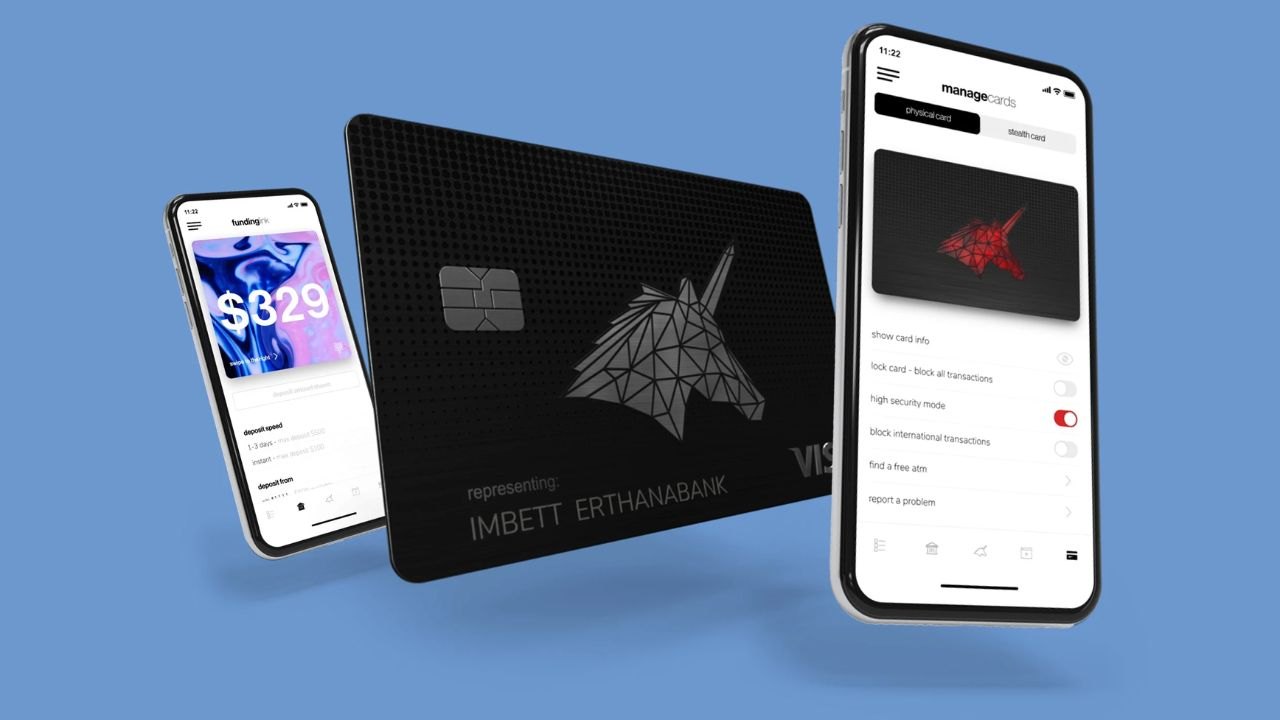
One is a straightforward cash back card for everyday spending, one is a travel-focused card for people who can use points and perks, and one is a secured card for building credit safely.
These are not the only good options, but they are useful reference points for matching a card to a real use case. Always confirm current terms before applying because issuers can update rates, fees, and reward rules.
Citi Double Cash Card: Best For Straightforward Everyday Value
If your profile is low-fee simplicity, this card often surfaces because it is built around consistent cash back on everyday purchases.
The appeal is that you do not need to memorize bonus categories or track rotating offers to earn rewards. It is typically positioned for people who want a clean setup with predictable value and simple redemption.
This kind of card tends to work best when you pay on time and keep your spending aligned with your budget. If you want one card that stays easy month after month, it is a common AI pick.
Chase Sapphire Preferred Card: Best For Travel And Flexible Points
If your profile is a rewards maximizer and you spend on travel and dining, this card frequently appears because it is built around points and travel-focused benefits.
The value usually comes from earning more in travel-related categories and having flexible ways to redeem points, which can matter if you book trips regularly. This type of card is best when you pay in full and use the reward structure intentionally, because interest costs can wipe out any travel upside.
AI tools often recommend it when your spending and habits suggest you will actually use the travel ecosystem. If you travel enough to stay organized, it can be a strong fit.
Discover It Secured Credit Card: Best For Building Credit With Guardrails
If your profile is a credit builder or has a limited history, secured cards are commonly recommended because they are designed to help you build positive payment history.
This card often shows up in AI shortlists because it uses a deposit-based credit line and is positioned as a safer starting point for people who are new to credit. Some secured cards also include features that support a path to upgrading later, but results depend on responsible use and issuer decisions.
The real benefit comes from paying on time, keeping usage manageable, and treating it as a tool for stability. If your goal is long-term credit progress, it is a practical category match.
Conclusion
AI can speed up the search, but it cannot replace careful reading of fees, interest costs, and reward rules that shape what you actually pay.
Before you apply, compare two finalists using the same assumptions, then choose the option you can manage cleanly every month. The strongest results come from consistent payments, controlled spending, and a card strategy that stays practical over time.
Note: There are risks involved when applying for and using credit. Consult the bank’s terms and conditions page for more information.