
Exploring the process to apply for a TSB credit card in the UK can seem daunting at first. But for those considering new financial tools, understanding each stage is valuable.
This guide is tailored for anyone in the UK who’s either unfamiliar with the process or searching for clarity on what TSB offers. The primary benefit? More informed decisions, without unnecessary pressure to apply—just transparent information about how it all works.



Why a TSB Credit Card Might Be Worth Considering
TSB, as a recognizable UK bank, has a variety of credit cards. Their offers may appeal for reasons like introductory rates, reward schemes, or added benefits for everyday spending.
Sometimes, it’s the straightforward application path that appeals. Of course, what makes a card suitable depends on personal circumstance, such as credit score, intended use, or preference for reward types.
Some people value simplicity, others look for travel perks—TSB options can suit both mindsets, at least from available public information.
Types of TSB Credit Cards Available
Understanding TSB’s credit card range is the first step toward choosing with confidence. Their cards often cater to different needs:
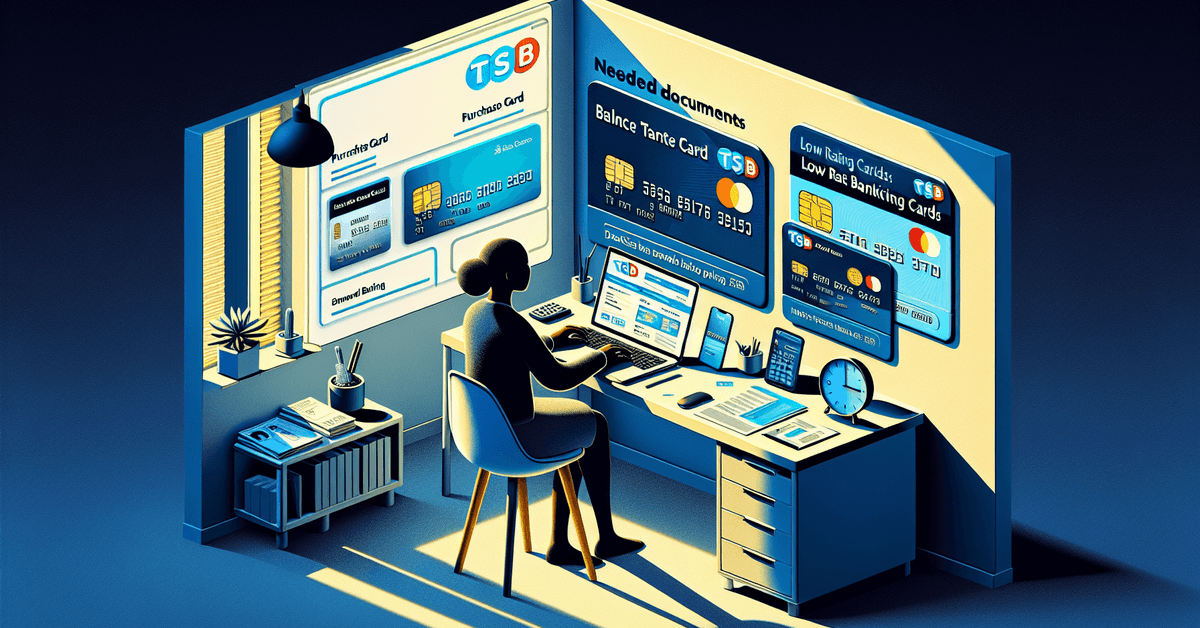
- Purchase Cards : Useful for interest-free periods on purchases. Handy if spreading the cost appeals.
- Balance Transfer Cards : May interest those seeking to move a balance from another card at a lower interest rate.
- Low Rate Cards : Generally favored by people looking for predictable, ongoing low interest rates—perhaps less relevant if repaying balances promptly.
Most standard features, like contactless payments, fraud protection, and online banking, come as part of the package along with TSB’s mobile banking app (official site). For exact features and updated fee information, their TSB credit cards page offers regular updates.
Eligibility Criteria: What TSB Typically Looks For
Before completing an application, checking if you’re likely to be accepted is useful. TSB, like all UK banks, has eligibility rules. Most applicants need to:

- Be at least 18 years old
- Live permanently in the UK
- Meet minimum income amounts (often specified per card)
- Have a reasonable credit history—no recent bankruptcies or major credit problems
Some cards might require existing TSB accounts, but not always. People without a strong credit file might find approval more challenging.
It’s not personal; banks follow strict criteria to meet regulations and reduce risk.
The Application Journey from Start to Finish
Applying for a TSB credit card is typically designed to be user-friendly. Most people start online. The key steps unfold as follows:
Research and Compare Card Options
TSB’s site presents all available cards. Each card’s summary clarifies interest rates, fees, and unique perks.
Some individuals jot notes or set up a side-by-side comparison (a table is useful—see suggested table structure below).
Check Your Eligibility with a Soft Search
Soft search tools on the TSB platform let you see the likelihood of approval. It won’t impact your credit score, and it’s particularly reassuring for those who aren’t sure if they qualify.
Complete the Online Application
The main application asks for personal details—address, employment, income, financial commitments. ID verification is standard, and sometimes extra documentation is required for security checks.
Wait for a Decision
Some get an instant decision, others might wait several days while TSB reviews information. If approved, you’ll receive a credit agreement. Only after you accept the agreement does the card get issued and posted.
Receiving and Activating the Card
Once your card arrives by mail (usually a week or so), in many cases, activation is done online or by phone. At this stage, all terms will be set out clearly in the paperwork and digital statements.
Documents Typically Required
It’s worth preparing some documents just in case TSB requests them. Common requirements:
- Proof of UK address (utility bill, council tax letter, or bank statement)
- Identity document (passport or UK driving licence)
- Proof of income (recent payslip or tax statement)
Most of the time, electronic checks handle verification, but having originals (or digital copies) nearby might speed up the process for some applicants.
What Happens If You’re Not Approved?
Not every application succeeds on the first try. Reasons vary—sometimes income, sometimes the credit file. TSB might explain why, but UK legislation means they can’t reveal every detail.
Some find it helpful to check their credit report via Experian or Equifax to spot any issues, then consider alternative solutions or improve their score before another attempt.
Costs, Interest Rates, and Managing Your Account
Every TSB card comes with its own set of charges, interest rates (APR), and possible annual fees. Before making a decision, reviewing the summary box for each card is wise.
If monthly repayments are missed, late fees could apply, which can be a bit daunting for some. TSB’s mobile banking app and online portal allow users to track spending, pay bills, and set up alerts—which might prevent accidental missed payments.
Comparing TSB with Other UK Credit Card Providers
Some people find it helpful to compare TSB cards with products from providers like Barclaycard, NatWest, or HSBC.
Features, rewards, and eligibility rules rarely line up perfectly across all banks. Setting up a comparison table can clarify:
| Provider | Representative APR | Annual Fee | Introductory Offer | Card Benefits |
|---|---|---|---|---|
| TSB | varies (see site) | £0-£24 | Purchases / Balance Transfer period | Rewards, fraud protection, app |
| Barclaycard | varies | £0-£20 | Balance transfer / Cashback | Travel insurance, app features |
| NatWest | varies | £0-£12 | Intro APR on purchases | Rewards, contactless, app |
| HSBC | varies | £0-£195 | Reward points, Travel offers | Worldwide use, app |
This approach helps clarify options—sometimes TSB is best, but not always, depending on personal requirements.
Tips to Strengthen Your Application
Improving personal credit history pays off in more ways than just higher approval odds. A few habits many experts highlight include:
- Registering on the UK electoral roll
- Paying existing debts on time
- Keeping credit utilisation low
- Reviewing credit reports periodically to catch errors
There’s no formula that fits everyone. At times, just waiting a few months or updating an address makes the difference.
Security, Safe Browsing, and Support
Using TSB’s digital application tools is usually safe, especially if accessed via the official site.
Being attentive to browser warnings (look for a padlock icon), never sharing login info, and ignoring suspicious emails keeps most users protected.
TSB’s security centre and help pages offer advice and support for any uncertainties along the way.
FAQs about TSB Credit Card Applications
How long does the application process take?
Many receive a decision within minutes, though some applications require extra checks, taking up to several days.
Can international residents apply?
Generally, permanent UK residency and a UK address are required. Temporary visitors may not qualify.
Will applying affect my credit score?
A full application triggers a hard search, which can leave a mark. Soft eligibility checks, however, don’t impact your score.
Conclusion: Making Sense of the Application Process
Navigating how to apply for a TSB credit card in the UK doesn’t have to be stressful. Every applicant’s situation is unique—sometimes it takes a bit of research and patience.
There’s value in reviewing eligibility, understanding product comparisons, and checking credit status before moving forward.
For those considering other options, exploring related guides on UK credit cards or reading about improving credit may help build confidence for your next financial step.
Remember: Informed choices today can offer flexibility, rewards, or even peace of mind later on. Sometimes, waiting or consulting with a professional may be the best move, particularly if something feels unclear.