
Applying for a Citizens Credit Card in the UK can feel overwhelming, especially for those approaching the process for the first time.
Financial products seem to change so frequently that it's sometimes difficult to know what's required, what features to prioritize, or even which fees may lurk in the fine print.



This educational resource helps demystify the steps, offering a clear path for anyone considering a Citizens Credit Card.
It’s particularly relevant for newcomers to credit or those seeking a reliable backup for emergencies or travel, yet also valuable for seasoned cardholders hoping to compare options.
Understanding the Citizens Credit Card UK
The Citizens Credit Card caters primarily to UK residents looking for both flexibility in daily spending and the security that comes with regulated consumer finance.
The card generally aims to strike a balance between accessible features and manageable eligibility requirements.
There can be several variations or editions, so terms may differ a bit depending on the issuing bank or provider.
Core Features at a Glance
- Contactless payment options to speed up in-store purchases
- Fraud protection under UK regulatory schemes
- Online account monitoring and statement access
- Standard interest rates in line with similar entry-level cards
- Widely accepted in the UK and abroad (look for Visa or Mastercard branding)
Why Consider a Citizens Credit Card?
The reasons someone might consider a Citizens Credit Card often overlap with what you'd expect from entry-level financial products.
Sometimes it’s about building a credit history, other times it’s a matter of convenience—the avoidance of cash or the ability to track spending easily.
A card like this also supports secure online purchases, which is particularly relevant for UK shoppers as e-commerce continues to grow.
Building or Rebuilding Credit
For many, a Citizens Credit Card can provide a starting point. Timely payments and responsible use contribute to a positive credit profile, potentially unlocking access to more favourable financial products in the future.
But, and it’s important to recognise this, misuse or missed payments can have the opposite effect.
Emergency Buffer
Unexpected expenses happen—whether it’s car repairs, a new appliance, or a surprise bill.
Having a card as a backup can relieve pressure in those moments, though it’s important to remember not to treat it as free money.

Travel and Online Security
Cards are generally safer than carrying cash, especially for travel. Online, additional protections such as Chargeback can safeguard your purchases.
Still, it’s wise to review the official documentations; the FCA often publishes guidelines on fair card usage and consumer protection.
Basic Eligibility Criteria
It’s common to feel uncertain before applying, wondering: Do I tick all the right boxes? Here are typical baseline requirements for UK residents seeking a Citizens Credit Card, though the official checklist from your chosen provider is the final authority.
- Age 18 or over
- Permanent UK address
- Regular income (steady job, benefits, or other proof)
- No ongoing bankruptcy or severe credit issues
Perhaps the application might seem simple on paper, but even one area of uncertainty—such as recent moves—can sometimes trip things up. If in doubt, most providers offer a soft eligibility checker online.
Step-by-Step Application Process
The process generally unfolds in several predictable phases. Here’s an overview, though some financial institutions may add their own wrinkles to the journey.
In all cases, reading the provider’s privacy and data handling policy is advisable, especially with sensitive documentation involved.
1. Gather Essential Documentation
- Proof of identity (passport or driving licence)
- Proof of address (utility bill, bank statement)
- Proof of income (payslip, benefits letter, or HMRC documentation)
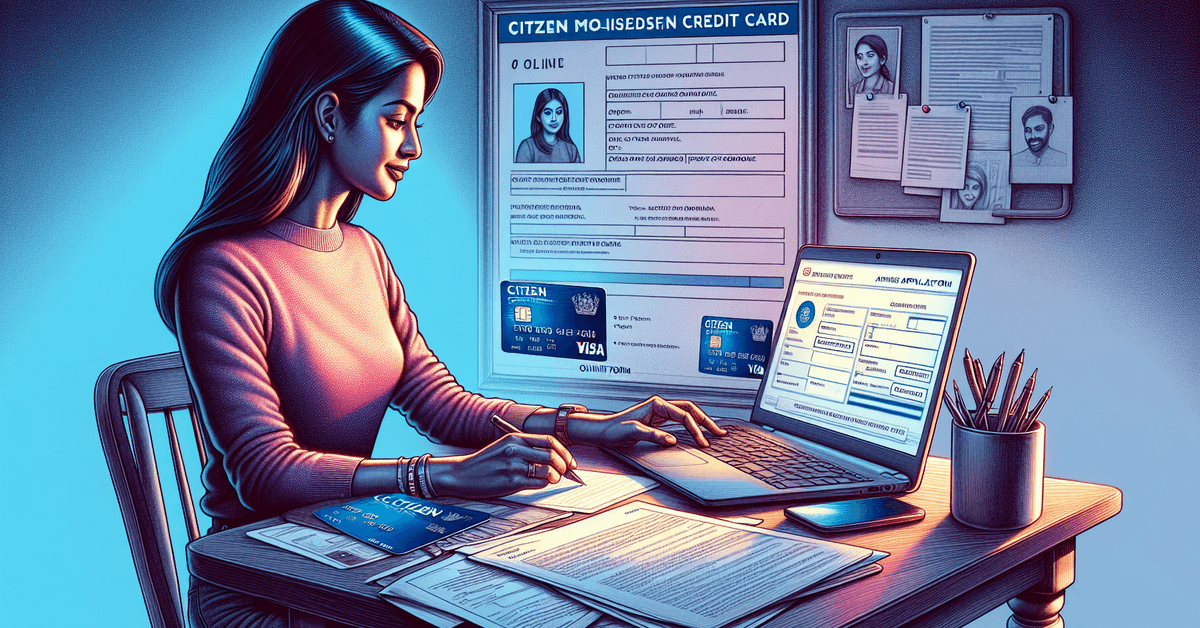
2. Complete the Online Application
Most Citizens Credit Card applications are available online. They typically require personal details, current address, employment history, and contact information.
Some people find some sections repetitive, and, honestly, the process isn’t always intuitive. Sometimes, a slight pause helps check for accuracy.
3. Consent to a Credit Check
The provider will perform a credit check. This is standard—nothing to worry about for most applicants.
If declined, the lender usually states the broad reason, though specific details may not be provided for privacy reasons. Services such as Experian or Equifax can show your credit score in advance.
4. Submit Required Documents
Uploading digital copies of your ID and proof of address is almost always a step in the process.
Some providers accept photos taken with a phone, while others prefer scans. Issues here—blurry images, expired documents—can sometimes cause delays.
5. Wait for Approval
Decisions can arrive quickly, often within a day or two, but occasionally it takes a week.
If accepted, the card should arrive in the post within about 5 to 10 days. Sometimes cards arrive sooner, but that’s not guaranteed.
6. Activate and Register Your Card
Once the card arrives, activation must be completed. This is usually by phone or online portal, depending on the issuing provider.
Details about PIN setup or mobile banking access are generally included in the same letter or package.
7. Start Using Your Card Responsibly
First-time users, especially, may find it helpful to review the card’s basic rules—interest rates, payment deadlines, spending limits.
Making only minimum payments can lead to higher interest charges. That’s one of the most overlooked traps.
Comparing the Citizens Credit Card to Similar UK Offers
| Feature | Citizens Credit Card | Other Entry-Level UK Card |
|---|---|---|
| Typical APR | 19.9%–24.9% | 18.9%–29.9% |
| Minimum Income Required | £8,000/year | £10,000/year (average) |
| Contactless | Yes | Yes |
| Rewards/Points | Occasional | Vary widely |
| Mobile Banking | Yes | Mostly |
References for comparison: MoneySavingExpert Credit Cards Guide
Responsible Credit Card Usage Tips
After approval, it’s wise to develop healthy habits from the outset. Some tips may seem obvious, yet, in practice, they’re easy to overlook.
Having a plan—perhaps noting your billing cycle dates—can prevent late fees. The following tips are worth considering:
- Pay statements in full whenever possible
- Avoid cash advances due to higher interest rates
- Enable transaction notifications through mobile banking
- Set up direct debit for minimum payment for backup
- Keep spending below 30% of your credit limit
Concerned about overuse or fraud? Use credit card controls if available, or consider spending limits which many banks provide through their apps. If you ever suspect issues, contact your provider immediately (phone numbers are usually on the card’s reverse).
Legal, Regulatory, and Privacy Notes
The UK credit industry is tightly regulated by the Financial Conduct Authority (FCA).
Applicants enjoy certain protections under UK law, including clear statements about interest, fees, and their right to cancel. The FCA also mandates fair treatment and clear communication from all credit issuers.
Data privacy is governed under UK GDPR rules. When applying, all personal information is handled according to guidelines specified by the provider and protected against misuse.
Applicants can request their data or corrections at any time by contacting the issuer’s Data Protection Officer.
Frequently Asked Questions
Can international students apply?
Requirements may vary. Some issuers allow applications from students with a UK address and visa; others require proof of longer-term residency or employment.
Are there annual fees?
Some versions carry no annual fee; others may charge a small fee for additional benefits. Reviewing the provider’s fee schedule before applying helps avoid surprises.
How quickly do approved applicants receive the card?
Typically, the card arrives within 5–10 days of approval. Postal delays can occur, though, especially during peak periods.
Conclusion and Next Steps
Exploring a Citizens Credit Card is rarely a snap decision. While it can unlock convenience and flexibility, careful planning and responsible usage are key to leveraging its full advantages.
Those following the application steps and reviewing terms thoughtfully will likely find greater confidence in their financial journey. Further insight is available in guides like How Credit Cards Work in the UK or the official FCA credit card page.
For anyone curious about alternative options or who might feel unsure after reading, perhaps comparing several products side-by-side will help.
Whatever the decision, exploring with eyes open—and a bit of realistic caution—is usually the most rewarding approach.