
Needing extra funds can happen at any stage in life. Whether it’s a surprise expense or covering a temporary gap, understanding your options for small loans can make a difference.
Many people find relief knowing these products can offer rapid solutions, sometimes starting as low as $100. This article explores what small loans are, how they work, and tips for safer borrowing.


Those exploring quick cash options—whether for car repairs, bills, or even small business needs—may find these loans relevant. Easy access and lower barriers to entry attract a diverse range of borrowers, not just those with no credit.
Even with stable income, unexpected costs can hit. That’s where small loans step in, filling immediate gaps without lengthy waits.
Understanding Small Loans: What Sets Them Apart?
There are many types of loans, but small loans stand out for their convenience and flexibility. While larger personal loans require approvals and paperwork, small loans often feature a streamlined process and flexible qualification.
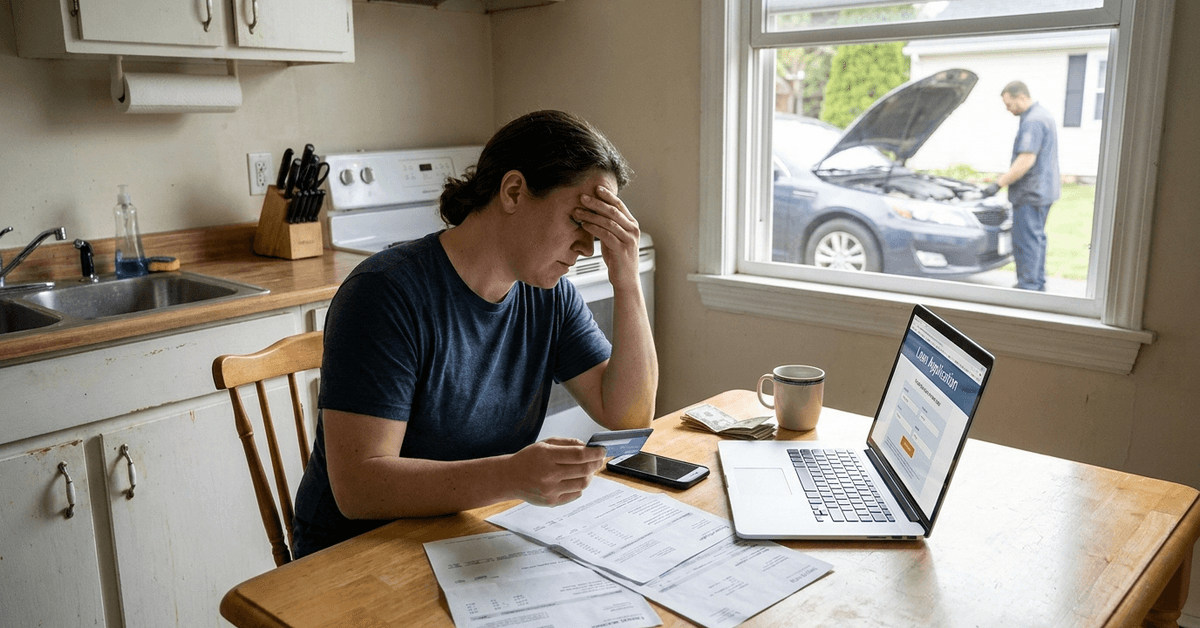
Amounts typically range from $100 to $1,500, sometimes up to $5,000. They tend to have shorter repayment terms, often several weeks or months rather than years, making them suitable for brief financial shortages.
Common Types of Small Loans
- Payday Loans: Short-term options due by your next paycheck, usually for urgent needs.
- Installment Loans: Borrow a small amount and repay in fixed repayments over time, usually months.
- Credit Builder Loans: Designed to help those with limited history, providing both funds and a credit lift.
Why People Choose Small Loans
One of the main attractions is how fast funds become available. In urgent cases, waiting days isn’t an option, and small loans sometimes arrive within hours of approval.
Others like the way these loans require minimal paperwork and limited waiting in line at traditional banks.
Speed and Accessibility
For those with time-sensitive expenses—such as medical bills or urgent travel—immediate approval and funding can make all the difference. Lenders often use automated decision tools, making small loans more accessible for many.
Flexible Amounts Fit Different Situations
Sometimes, only a modest sum is needed. Borrowing just $100 or $200 is easier, with less stress about long-term debt. This flexibility can help avoid a cycle of over-borrowing or unnecessary financial burden.
How the Small Loan Application Process Works
The process is generally simple, but requirements may vary. Most lenders require government-issued ID and proof of income. Some may also ask for a bank statement or contact info. Many applications can be completed online or via mobile devices, with decisions returned quickly.
Verification and Assessment
Lenders are typically required to verify your information—and sometimes your employment status—before releasing funds. They may use automated systems or digital verification platforms for speed and security.
Funding Timeline
If approved, small loans can be sent directly to your checking account, sometimes the same day. Bank processing times or lender policies occasionally cause minor delays.
Interest Rates and Repayment Terms: What to Know
Interest rates on small loans can vary considerably. Because the amounts are small and risk is higher, rates are often higher than traditional bank loans. Some lenders charge a flat fee instead of interest, especially on payday products.
Fee Structure: Flat Fees vs. APR
It’s helpful to look beyond just interest rate figures. Some loans use a flat dollar fee per amount borrowed, while others list an annual percentage rate (APR). Comparing both formats is critical for understanding the total cost.
Repayment Periods
Repayment for many small loans is due in a single payment or several scheduled installments. This short cycle can benefit borrowers who need money fast, but it also means payments come quickly after borrowing—something to consider.
When Small Loans Might Make Sense
These loans can sometimes fill thoughtful, responsible needs. Covering utility bills to prevent shutoff, filling a one-week gap before payday, or paying for an unavoidable expense are all common examples.
Addressing Short-Term Emergencies
When using savings isn’t possible, or asking friends/family feels uncomfortable, a small loan may offer the discretion and speed needed.
Improving or Building Credit
Some lenders report repayment to credit bureaus, potentially helping improve or establish a score. However, late or missed payments can have the opposite effect. Knowing the reporting policy up front is wise—inquiries or detailed FAQs are usually available on lender sites, like those from the Consumer Financial Protection Bureau.
Potential Risks and Considerations
While small loans offer vital flexibility, it’s helpful to view them with a mindful approach. High fees and rates can add up, and missed payments may affect your credit or bring additional charges. Reading fine print and asking questions is essential. I’ve seen borrowers surprised by rollover fees or penalties after the fact—it pays to be thorough.
Understanding Total Cost of Borrowing
When looking at small loans, it’s easy to focus just on the immediate solution. Yet all lenders are required to show the full cost, so reviewing disclosures and keeping a record is beneficial. If something feels unclear, the Federal Trade Commission’s consumer site explains lending transparently.
Guarding Against Scams or Unlicensed Lenders
Occasionally, not every lender operates by the book. If an offer seems suspicious, verifying credentials and reading reviews is advised. Safe lenders are usually licensed and regulated, with a customer support team you can actually reach.
Alternatives to Small Loans
When considering options, some may discover alternatives that better fit their situation. Community organizations, employer advances, or credit union loans sometimes act as less expensive paths. It might feel more complicated, but these routes can offer advantages.
Using Savings or Emergency Funds
If accessible, tapping an emergency fund avoids any interest fees. Even a partial amount from savings reduces the amount borrowed externally. Not everyone has this buffer—for those, small loans remain a tool.
Seeking Help from Financial Counselors
Some nonprofit counselors can help people understand borrowing costs and make informed choices. Many offer free sessions to discuss budgeting and debt management. It’s not always about the loan itself, but understanding long-term improvements for financial health.
Examples: Real-Life Uses for Small Loans
People reach for short-term loans for different reasons—paying rent, utility emergencies, or funding a job search. One person I know used a $150 loan just to keep their phone active during a job hunt, which helped them secure work a week later.
Another used $200 to get an urgent car repair, enabling them to commute and avoid missing shifts. These aren’t dramatic stories, but they’re practical, everyday decisions many face.
Small Business or Side Hustle Needs
Sometimes, freelancers and gig workers tap small loans for supplies or equipment to seize an opportunity. The ease and speed are attractive—even though, frankly, it does require careful attention to costs to avoid sacrificing future income for convenience now.
Making Small Loans Work for Your Situation
Small loans offer quick solutions and much-needed flexibility for a variety of needs. Whether used to manage an urgent bill, seize a new opportunity, or bridge a gap, the benefits depend on clear understanding and careful planning.
Reviewing all terms, assessing the real need, and considering alternatives can minimize downsides.
In the end, these loans are tools—powerful in the right hands, but best used thoughtfully, with the bigger financial picture in mind.