The idea of using a PayPal Mastercard credit card attracts many in Saudi Arabia. It’s popular for worldwide shopping and digital payments.
But is it really available, and how does it fit with local financial systems? This article explores answers, clarifies nuances, and helps you make informed decisions.



The information here is especially relevant for Saudi residents interested in secure online payments and international accessibility. There’s genuine benefit in weighing global credit conveniences with regional realities, so this overview aims to balance both perspectives.
Understanding how PayPal Mastercard operates, where it’s accessible, and some practical alternatives can help you confidently manage international purchases or subscriptions.
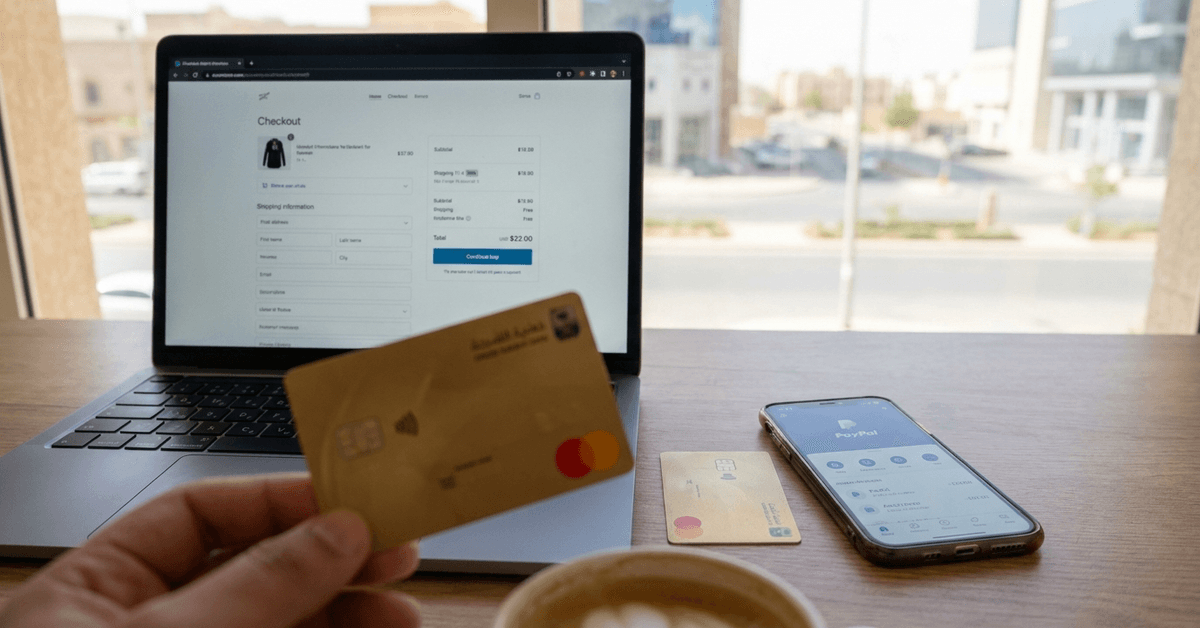
What Is the PayPal Mastercard Credit Card?
The PayPal Mastercard credit card is a branded financial product issued primarily in markets like the US and Europe. It directly links to your PayPal account, letting cardholders spend online or in stores, wherever Mastercard is accepted.
This card is known for features like real-time spending reports and automatic integration with your PayPal balance. There are also rewards programs, often centering on cash back or point accumulation for purchases.
The PayPal Mastercard offers extra layers of security. Purchases are protected by Mastercard’s global fraud prevention systems and PayPal’s dispute resolution models. For many international users, this dual safety net is quite appealing.
Is the PayPal Mastercard Available in Saudi Arabia?
Currently, the PayPal Mastercard credit card is not issued in Saudi Arabia. The official product, as described on the PayPal Mastercard page, is available mainly to residents in the United States and several European countries.
Saudi-based PayPal account holders can still access standard PayPal services. It’s possible to send and receive funds within the platform, link local bank cards, and shop internationally. However, applying for the actual PayPal-branded credit card from within Saudi Arabia is not an option at this time.
This unavailability is due to both regulatory and partnership limitations. Payment card frameworks in Saudi Arabia are evolving, but direct partnerships between PayPal and local financial institutions have not yet materialized.
How the PayPal Mastercard Works in Markets Where It’s Issued
To better understand its potential, consider how the PayPal Mastercard credit card works in markets where it’s available. A user applies, receives a card, and links it to their PayPal account for seamless digital and retail payments.
Spending is usually managed through the PayPal app. Transactions quickly show on the digital dashboard, and any PayPal balance can often be used to pay down the credit card bill. There’s a focus on transparent notifications and easy access to account management tools.
For transactions abroad, typical Mastercard exchange rates apply. The card offers international acceptance, but in some cases, foreign transaction fees may be charged on non-local purchases.
Challenges for Saudi Residents
Saudi residents face certain limitations with international credit card products, though some find workarounds. Regulatory requirements, local banking integration, and consumer protection standards are key differences compared to the US or EU.
Banking regulation in Saudi Arabia, administered by the Saudi Central Bank (SAMA), closely monitors credit card issuance. International corporations like PayPal must establish local agreements before cards can be offered to Saudi customers.
Despite these barriers, digital payments are rising in popularity across the Kingdom. Saudi fintech innovation means the environment for global cards could improve in the future, but present options remain restricted.
Alternatives to the PayPal Mastercard in Saudi Arabia
While you can’t apply for a PayPal Mastercard credit card in Saudi Arabia, several local payment solutions offer practical alternatives. Many Saudis use debit and credit cards from banks like Al Rajhi, NCB, or Samba for global purchases online.
If you want to fund your PayPal wallet, you can link these cards directly. Both Visa and Mastercard are usually supported. This approach lets you use PayPal’s protection—just without the branded Mastercard credit card.
For frequent global shopping, virtual card products from fintech brands such as STC Pay or Mada are available. These cards work well with international platforms, offering secure, one-time-use credentials and quick issuance.
Remittance-focused platforms, SABB and TransferWise, offer borderless payment tools. If international transfers and multi-currency flexibility are priorities, exploring their services may be beneficial.
How to Use PayPal Effectively from Saudi Arabia
Even without access to the official PayPal Mastercard, Saudi users can maximize PayPal’s benefits. Setting up an account is straightforward, and account verification is possible with a local bank card and mobile number.
When making international purchases, it’s easier to link several cards to a single PayPal profile. This way, payments can be switched depending on where you’re spending or what currency you prefer.
Subscription platforms like Netflix, Adobe, or even Apple frequently accept payments routed through PayPal. This gives added security—your card details aren’t shared directly with each merchant.
Fees, Currency Exchange, and International Purchases
One thing to consider is that PayPal transactions involving international currencies do include exchange rates and sometimes additional fees. This also applies when using Saudi debit or credit cards through PayPal.
Most Saudi financial institutions publish their international transaction fees transparently. PayPal adds its own small percentage margin on top of exchange rates. Reviewing these costs ensures clarity, especially if large sums or recurring payments are involved.
It may be worth paying attention to annual credit card renewal fees and the cost of maintaining cards used primarily for international spending. Local banks often adjust these terms, so a periodic review is a good habit.
Security, Fraud Prevention, and Dispute Resolution
Digital payment security remains a concern, and PayPal is recognized for its purchase protection features. Using linked Saudi cards typically ensures you can open a dispute about unauthorized or problematic transactions.
If fraud occurs, reporting it promptly through PayPal’s dashboard—and with your Saudi bank—helps maximize your protection. Transaction alerts and two-step verification are both advisable for added peace of mind.
PayPal’s buyer protection does not extend to every transaction type, so reviewing terms is usually prudent. Saudi users, like others globally, benefit by cross-referencing local bank support policies before making larger purchases.
Legal and Compliance Considerations in Saudi Arabia
Using global payment tools isn’t illegal in Saudi Arabia, but consumers are still bound by local e-commerce laws. The Saudi Central Bank (SAMA) regularly updates rules regarding cross-border financial activity.
It’s typically necessary for Saudi residents to declare international payment cards accurately, especially if they’re used for substantial transactions or business-related activities. Compliance ensures smoother banking experiences and fewer disruptions.
New developments in Saudi fintech may one day create a pathway for products like the PayPal Mastercard, but currently, only standard PayPal accounts—not co-branded credit cards—are locally compliant.
Comparison: PayPal Mastercard vs. Saudi Bank Cards
| Feature | PayPal Mastercard | Saudi Bank Card |
|---|---|---|
| Issued in KSA | No | Yes |
| Usable globally | Yes | Usually, if Visa/Mastercard |
| Direct PayPal Link | Yes | Supported |
| Reward Programs | Available | Bank dependent |
| Compliance with KSA rules | Unavailable | Yes |
How to Stay Updated and Prepare for Future Options
Market changes sometimes happen quickly. It may help to subscribe to updates from both local banks and global payment platforms, including PayPal. New card offerings or integrations are often announced via email or online press releases first.
For those interested in early adoption, keeping documentation ready—like proof of address or Saudi national ID—smooths out future applications. Monitoring fintech news in Saudi Arabia could reveal new options sooner.
In the meantime, maximizing local debit and credit cards with global online shops bridges the gap. Users who combine PayPal’s wallet with bank-issued cards will encounter the broadest payment compatibility available today.
Conclusion: Making Informed Choices About PayPal Mastercard in Saudi Arabia
There’s excitement about expanded payment options in Saudi Arabia, but only the standard PayPal account—not the branded Mastercard—is presently accessible. Using locally issued bank cards, linking these to PayPal, and weighing currency costs allows for safe global payments.
For now, Saudi users are best served by staying alert to new financial product launches and maximizing homegrown solutions. As fintech evolves, future announcements from PayPal Saudi Arabia or major banks could yield more powerful payment tools.
Practicality, compliance, and security shape all cross-border payment decisions. Anyone seeking the global ease of PayPal Mastercard should keep an eye out—change could be on the horizon, but the safest move is to use local bank cards with PayPal in the meantime.