
Living in the Philippines, it's not uncommon to dream about owning a home. For many, that dream feels out of reach, mostly due to high upfront costs. The Pag-IBIG Housing Loan program exists to make affordable home financing a reality for more Filipinos.
This guide breaks down how the process works, who can benefit, and practical steps to move forward, whether you're a first-time applicant or just curious about local options.



Understanding Pag-IBIG Housing Loans in the Philippines
The Pag-IBIG Fund , officially known as the Home Development Mutual Fund, helps eligible members access financing to buy, build, or improve a home.
Perhaps you’ve heard stories from friends or family—some positive, others detailing long waits or paperwork hurdles. Knowing the basics can help you prepare and, in a way, avoid common pitfalls.
What Makes Pag-IBIG Housing Loans Affordable?
One of the strongest features of Pag-IBIG loans is the relatively low interest rate, which—at the time of writing, anyway—remains competitive compared to many bank loans.
Flexible payment terms mean borrowers may choose up to 30 years for repayment. This spreads out monthly dues and makes budgeting more manageable over time.

Who Can Apply?
Generally, active members with at least 24 months of total savings can make use of the program. This includes local employees, overseas Filipino workers (OFWs), and self-employed individuals who meet contribution criteria.
There are occasional updates on requirements, so it's wise to check the latest guidelines on the Pag-IBIG website or through their local branches.
Types of Homes You Can Finance
The Pag-IBIG loan covers a variety of property types, which adds a layer of practicality.
Unlike some loans, it’s not just for a traditional house and lot. Members may use funds for condominiums, townhouses, rowhouses, and even lots that will eventually be built on.
Common Uses of Pag-IBIG Financing
- Buying a brand-new house and lot
- Purchasing an existing property
- Acquiring a residential lot only
- Financing a condo or townhouse unit
- Home improvement or renovation
Eligibility Requirements and Qualifications
Getting approved isn’t exactly automatic. For a Pag-IBIG Housing Loan , applicants must meet specific qualifications. Typically, these include:
- At least 24 monthly membership savings (either continuous or accumulated)
- Under 65 years old at the time of application (and not over 70 at loan maturity)
- A legal capacity to contract and not with an existing defaulted Pag-IBIG loan
Sometimes, additional income documentation or collateral evaluation may slow down the process. Every now and then, requirements may differ by property type or applicant profile.
How the Application Process Works
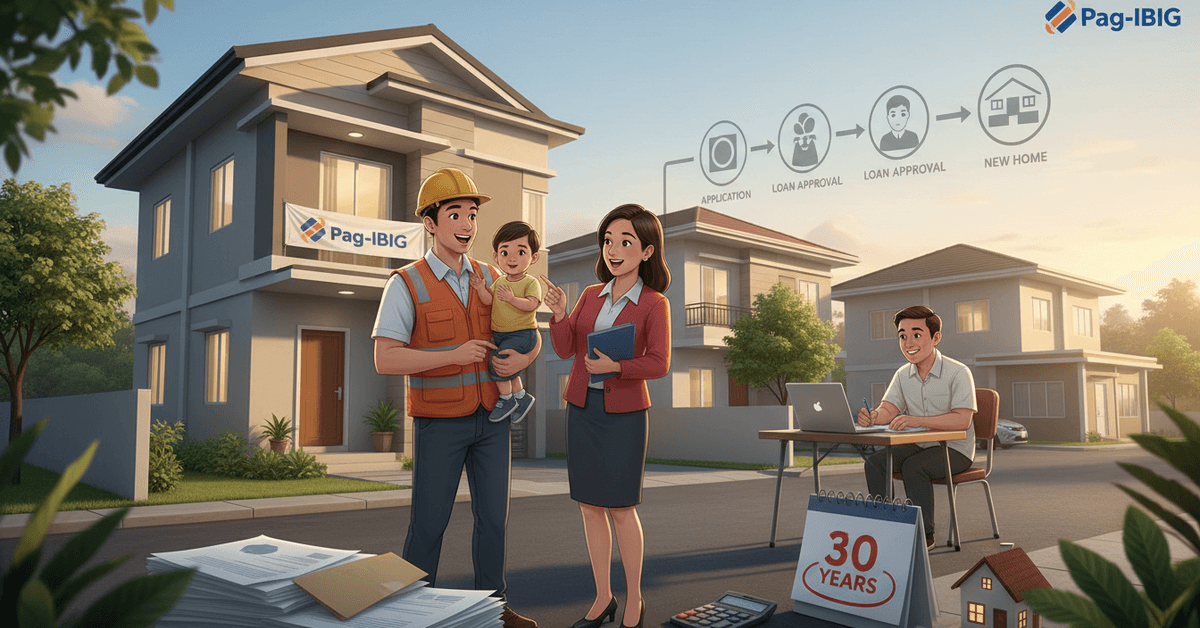
The Pag-IBIG loan process involves several steps, which can require patience. Some say it feels bureaucratic, but having your paperwork prepared can speed things along. There’s a sequence most applicants follow:
Step-by-Step Application Overview
- Complete the Membership Requirements: Ensure your contributions are current and documents are ready. These include proof of identity, income, and property documents.
- Apply Online or at a Branch: Many now use the Pag-IBIG website for initial applications, while some still prefer walking into a branch—sometimes out of habit, often to get questions answered in real time.
- Wait for Evaluation: The fund typically reviews papers, verifies employment, and assesses property value. This is often the stage where delays happen, especially if a document is missing or unclear.
- Receive Loan Approval and Release: Upon approval, you’ll sign a mortgage contract. Funds are released either directly to the seller or credited toward property developers, depending on the arrangement.
Pag-IBIG Housing Loan Rates and Fees
The interest rates for Pag-IBIG loans are among the most closely watched factors, likely because they directly impact monthly payments.
Promotion periods or policy shifts can influence rates—though generally, rates have stayed lower than most private lenders.
There’s also a one-time processing fee, paid upon loan approval. Be sure to factor in notary fees, appraisal costs, and possibly insurance premiums in your calculations.
| Loan Amount | Interest Rate (est.) | Term |
|---|---|---|
| Up to PHP 6M | 6.5% – 8.5%* | 1–30 years |
*Rates may change; always check Pag-IBIG 's latest announcements.
Monthly Payment Example for Pag-IBIG Home Loans
Wondering how much you might pay each month? Payment depends on the loan amount, term, and the prevailing interest. Calculators are available online through Pag-IBIG’s official portal.
For example, a PHP 2 million loan at a 6.5% fixed rate for 20 years could result in a monthly due of around PHP 14,900. This is just an estimate, though—several variables come into play.
Why Monthly Payment Varies
- Loan amount and property value
- Type (house and lot, lot only, condo unit)
- Member’s age and income
- Market interest fluctuations
Tips to Increase Chances of Approval
Some applicants breeze through; others hit snags. Here are a few practical suggestions to avoid unpleasant surprises:
- Maintain active Pag-IBIG contributions—lapses can cause rejection
- Double-check all required documents for accuracy
- Prepare backup documents for proof of income and employment
- If self-employed or an OFW, clarify foreign income sources
People sometimes underestimate the need for patience. Processing can take weeks, particularly at busy times of year or if incomplete forms are submitted.
Maximizing the Benefits of Pag-IBIG Loans
Taking full advantage requires a bit of planning. Some opt to increase their monthly savings or make lump-sum contributions before applying, simply to unlock better borrowing potential.
While this isn’t always necessary, it might help if you’re aiming for a bigger home or a unit in a prime location.
Flexible Repayment Features
- Choose from several repayment terms (up to 30 years)
- Advance or partial payments allowed to lessen interest costs
- Sometimes, early repayment doesn’t come with steep penalties
Drawbacks and Things to Consider
No loan program is perfect. While Pag-IBIG loans offer attractive advantages, they may not always be the fastest or most flexible choice.
It’s been said by some applicants that additional verifications or policy changes can force them to wait longer than expected. Interest rates, while lower than banks in many cases, are also subject to review every few years.
Properties financed through Pag-IBIG are usually residential-only, so commercial use is not an option. Sometimes, there are deed restrictions, or the property has title issues. It's worth clarifying all of this before signing any agreement.
Comparing Pag-IBIG with Bank Housing Loans
Bank loans in the Philippines offer another route, but differences are worth weighing. Pag-IBIG requires lower down payments—often just 10%—and generally more accessible terms.
On the other hand, bank loans might feature faster processing and higher maximum amounts for buyers with strong credit histories. In practice, some families apply for both to compare which makes sense in their financial context.
Quick Comparison Table
| Pag-IBIG | Bank Loans | |
|---|---|---|
| Min. Membership | Required | Not required |
| Interest Rate | Lower for most borrowers | Varies by partner, may be higher |
| Loan Processing | Slower | Often faster |
| Down Payment | 10%–20% | 20% or more |
Legal Considerations and Documentation
Securing a Pag-IBIG housing loan means submitting legal documents such as a Transfer Certificate of Title, Certificate of Employment, and Contract to Sell.
Forged documents or incorrect details could lead to application denial, or worse, potential legal issues down the line.
It’s best to review everything carefully before committing. Sometimes, buyers rely on a real estate broker or property lawyer for added peace of mind—especially with larger investments.
Frequently Asked Questions
Can OFWs apply for Pag-IBIG Housing Loans?
Yes, Overseas Filipino Workers can apply as long as they are active members and meet the contribution requirements. Some specific documentary requirements apply; the application process may slightly differ abroad.
Is an existing loan a disqualification?
If a loan is unpaid or in default, new applications are not accepted. However, fully paid borrowers may apply for another loan subject to current rules.
Can loans be refinanced or paid in advance?
Yes, Pag-IBIG allows for early settlement. This can save on interest payments, and most prepayment penalties are minimal or even waived, depending on policy updates.
Conclusion
Learn how the Pag-IBIG Housing Loan works in the Philippines, explore affordable financing tips, understand key requirements, and know what to expect before applying for your future home.
Note: There are risks involved when applying for and using credit. Consult the bank’s terms and conditions page for more information.