
Applying for a loan is easier when you understand how lenders judge risk and affordability. Loan eligibility AI tools can help you organize your numbers, test realistic scenarios, and spot weak points before you apply.
When you use loan eligibility AI the right way, you are not chasing a guarantee; you are building a clearer plan.



This guide explains what eligibility means, how AI can support a responsible self-check, and how to strengthen your profile using actions lenders actually care about.

What Loan Eligibility Really Means For Your Application
Loan eligibility is the screening stage where a lender decides whether your income and existing obligations can support a new payment.
Many lenders use your annual income and your existing monthly debts to judge your ability to repay, which makes your basic numbers the foundation of the decision.
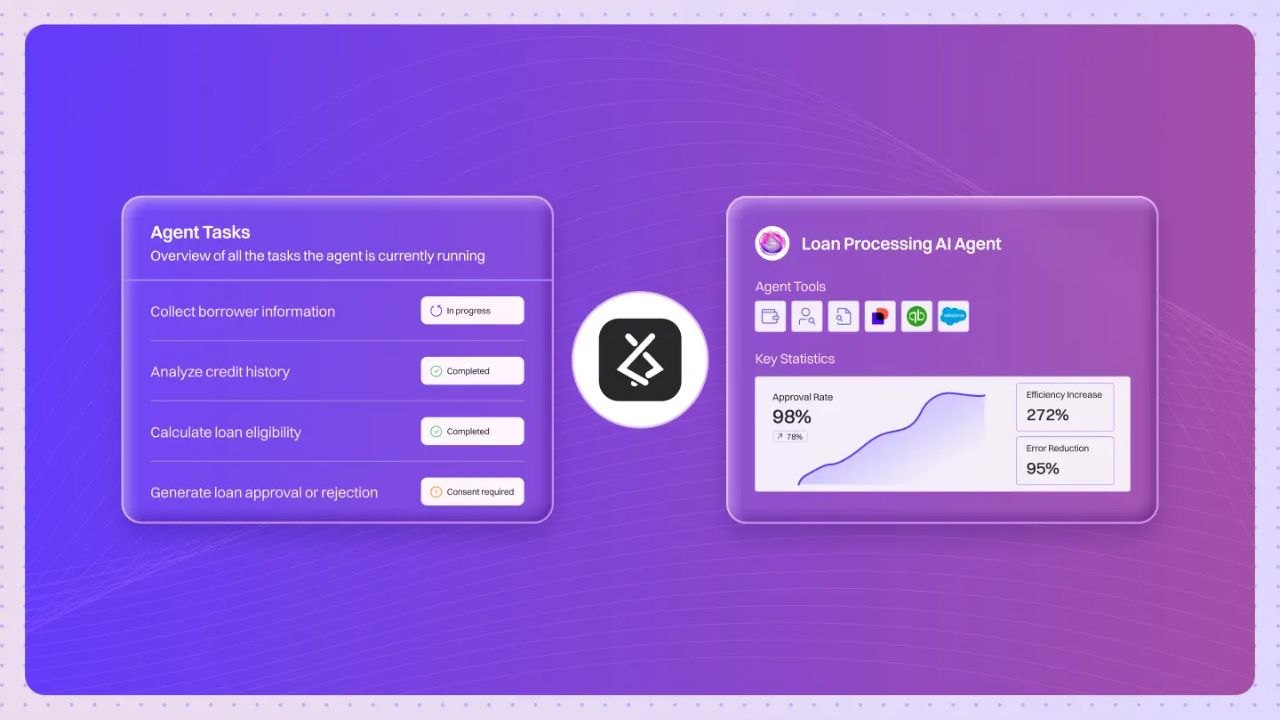
If you treat eligibility as a planning step, you can reduce surprises and avoid applying for an amount that does not fit your budget. You also make it easier to compare offers because you start from a realistic range.
Eligibility Versus Approval: Why The Difference Matters
Eligibility is an early fit check, while approval happens after deeper verification and underwriting. A lender can consider several factors, including your credit score, credit history, income, debts, and down payment, when deciding what rate or terms to offer.
That means you can look eligible in a quick review but still get a different final outcome after documents and details are confirmed. If you understand this gap, you will use AI results as guidance instead of treating them like a final answer.
The Core Signals Lenders Typically Evaluate
Most lenders are looking for evidence that you can repay consistently without becoming overextended. One widely used affordability measure is debt to income ratio, defined as all your monthly debt payments divided by your gross monthly income.
Lenders also weigh credit behavior, which can influence both approval and pricing. If you focus your preparation on affordability, stability, and credit reliability, you are aligning your effort with how lending decisions are commonly made.
Why Results Can Vary Across Lenders
Two lenders can view the same borrower differently because each one sets its own rules, risk thresholds, and pricing approach.
Risk-based pricing is one reason, since lenders may adjust terms based on credit score, employment status, income, and outstanding debts.
This is also why shopping around matters when you are ready, because a stronger profile can lead to better options. The goal of an eligibility check is to find a realistic lane, then apply with a request that fits it.
How AI Can Help You Check Eligibility Before You Apply
AI helps most when you use it like a calculator plus a planning assistant, not like an approval machine.
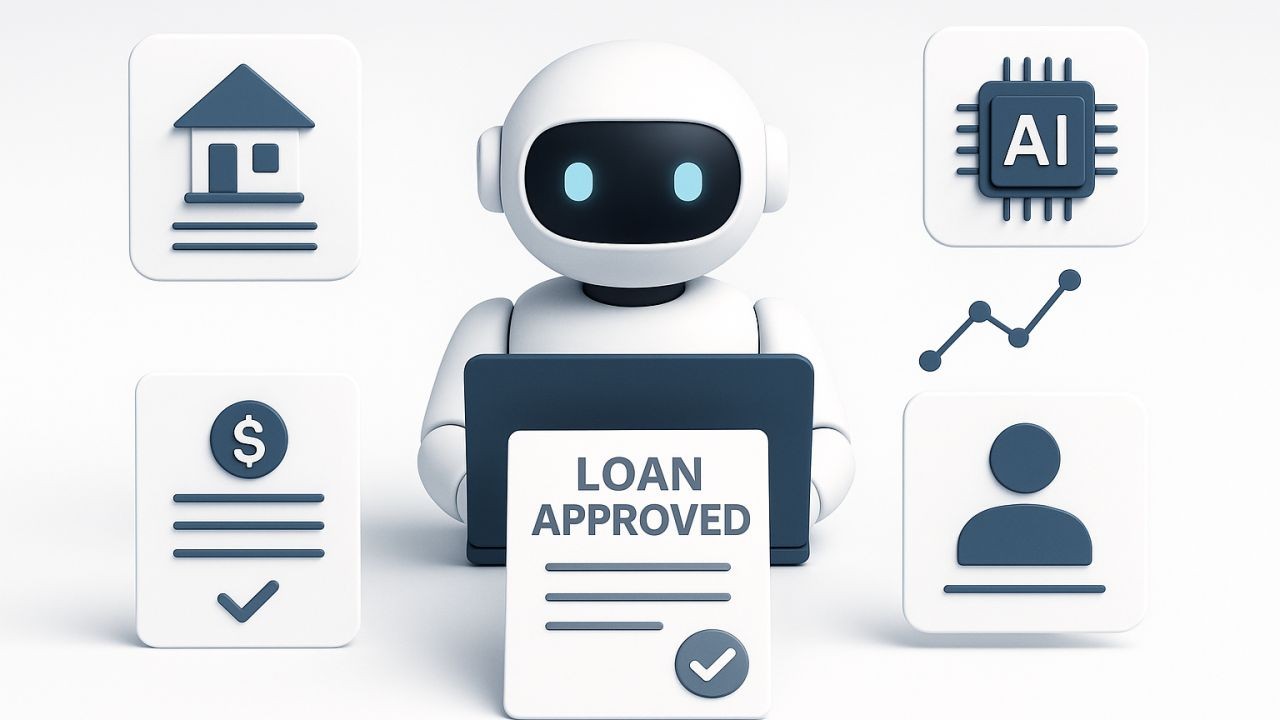
It can summarize your financial snapshot, calculate key ratios, and show how different loan choices change your monthly payment pressure.
It can also help you identify what to improve first, based on the numbers you provide. Your job is to keep inputs accurate and outputs practical, then verify what matters with official lender criteria.
Build A Clean Financial Snapshot AI Can Read
AI analysis is only as reliable as your inputs, so start by listing your gross monthly income and your required monthly debt payments. Use the debt to income definition as your baseline so your inputs match what lenders commonly measure.
You do not need to share account numbers, passwords, or full statements to do this step well. If you give AI clean totals, it can help you organize your affordability picture without exposing sensitive data.
Run Scenario Tests Instead Of Guessing
Once your snapshot is set, ask AI to test two or three scenarios based on different loan amounts and terms. The point is to see what monthly payment level keeps your debt to income and your personal budget in a safe range.
You can also ask AI to explain which factor is driving risk, such as high monthly obligations or a limited buffer after bills. Scenario testing is valuable because it shows you tradeoffs before you commit to a specific request.
Know What AI Cannot Confirm Without Lender Data
AI cannot see a lender’s internal underwriting rules, pricing model, or verification standards, so it cannot promise approval.
It also cannot confirm how a lender will interpret your credit file or your income stability without the same documentation the lender requires. If a lender denies credit, they are expected to provide specific and accurate reasons, even when complex models or AI are involved.
That reality is a useful reminder: decisions come down to traceable factors, so your best move is to use AI to identify those factors early.
Use AI To Improve Your Chances With Practical Fixes
Improving eligibility is usually about tightening your profile, not reinventing it. AI can help you prioritize the changes that move risk in the right direction, like lowering monthly debt pressure, strengthening credit signals, and presenting clearer documentation.

You should focus on improvements that are measurable and honest, because anything that cannot be verified will fail during underwriting. A strong plan is simple: fix the biggest constraint first, then reassess.
Reduce Monthly Debt Pressure And Improve Affordability
If your debt-to-income is high, your fastest path is usually lowering your monthly obligations or delaying the application until your numbers improve.
AI can help you model how paying down a balance, refinancing an existing debt, or choosing a smaller loan request changes your ratios.
Since debt to income is a common measure of ability to manage monthly payments, lowering it can make your application more realistic. You are not trying to hit a magic number; you are trying to show that the payment fits your income without strain.
Strengthen Credit Signals That Often Matter Most
Credit scoring is not the whole story, but it is a major input into many lending decisions. Lenders use the FICO Score to make credit risk decisions, so improving the basics can help.
Payment history and amounts owed are among the most influential components in FICO scoring, so late payments and high revolving balances tend to hurt more than people expect.
AI can help you build a payoff and on-time payment plan that reduces utilization and lowers monthly stress, without pushing you into unrealistic targets.
Improve Documentation And Consistency Before You Apply
Eligibility often becomes approval when your documents match your claims cleanly. Lenders may use information about your annual income and your existing monthly debts to judge your ability to repay, so you should be ready to support both with consistent records.
AI can help you create a checklist of what to gather, such as pay stubs, proof of employment, bank summaries, and tax documents when needed. The goal is to avoid gaps and contradictions that slow down underwriting or reduce confidence.
Protect Yourself While Using AI For Loan Decisions
Using AI for financial planning is useful, but it comes with privacy and scam risks if you are careless.

You should treat your data like you would treat your banking login, because once sensitive information is exposed, you cannot take it back.
The safest approach is to share only totals and general ranges, and to keep personal identifiers out of any AI chat. If a tool pressures you with urgency or promises instant approval, treat that as a warning sign.
What Not To Share During AI-Based Eligibility Checks
Do not upload documents that contain full account numbers, government IDs, passwords, or screenshots with private identifiers.
You can get strong results by sharing totals, such as monthly income, monthly debts, and a rough credit score range, without exposing your identity.
Use strong passwords and turn on two-factor authentication to protect the accounts that store your financial information. If you keep inputs minimal, you reduce risk while still getting useful analysis.
How To Spot Predatory Offers And Fake Approval Claims
Scams often use the same playbook: fast approval, no verification, and pressure to pay a fee or share sensitive data. A legitimate lender will verify information, explain terms, and provide disclosures, not rush you into a decision through fear.
If you see claims that sound too easy, step back and confirm the lender’s identity through official channels.
AI can help you write questions to ask and terms to compare, but it should never be the reason you trust a lender. Your standard should be proof, transparency, and clear documentation.
When To Talk To A Lender Or A Qualified Expert
AI is helpful for early planning, but you should talk to a lender when you need exact requirements, official pricing, and a verified pre-qualification path.
You should also seek expert help if your situation includes complex income, recent credit problems, or confusion about your report.
If you are denied, the lender should provide specific reasons, which you can use as a roadmap for improvement. The most productive approach is to fix the stated issues, then recheck your numbers before trying again.
Conclusion
AI can make eligibility checks clearer by helping you organize data, test scenarios, and prioritize fixes to improve affordability.
If you use loan-eligibility AI responsibly, you will focus on measurable inputs such as income, monthly debt, and credit signals, then verify against official lender requirements.