This Amazon Flex blocks routes guide explains everything with a practical, repeatable system. You also learn when Amazon Flex blocks drop, what they pay, and how to remove bottlenecks that slow you down.
What is Amazon Flex?
Amazon Flex is Amazon’s gig program for independent contractors who deliver packages with their own vehicle.



You use the Amazon Flex app to claim delivery “blocks” (typically 2–6 hours), pick up at assigned stations or stores, and complete stops the app maps for you.
Work can include Amazon.com parcels, Whole Foods/Amazon Fresh, and same-day retail pickups.
You’re not an employee—no benefits—so you handle taxes, fuel, maintenance, and insurance.
What You Earn and How Pay Works
Amazon Flex pays per block, not per mile. Typical effective pay ranges around $18–$25 per hour before expenses, depending on market, tips, and promotions.
You keep 100% of customer tips on tip-eligible deliveries. Promotions, peak-pay, and surge windows can raise your effective hourly rate.
Track fuel, maintenance, insurance, and taxes to calculate your net. Use high-density stations and shorter driving legs to improve your bottom line.
Understanding Block Types and The Offers Tab
You claim work in the Offers tab. You will see reserved offers that are sent to you directly. You will also see regular blocks shown to everyone in your service area.
Most regular blocks are first-come, first-served, so speed matters. Instant Offers can appear when you are close to pickup sites and have Available Now enabled.
Learn the layout of your local stations so you can position yourself for proximity-based runs.
Track your own market for 7–14 days to map patterns. Adjust your availability to match those patterns.
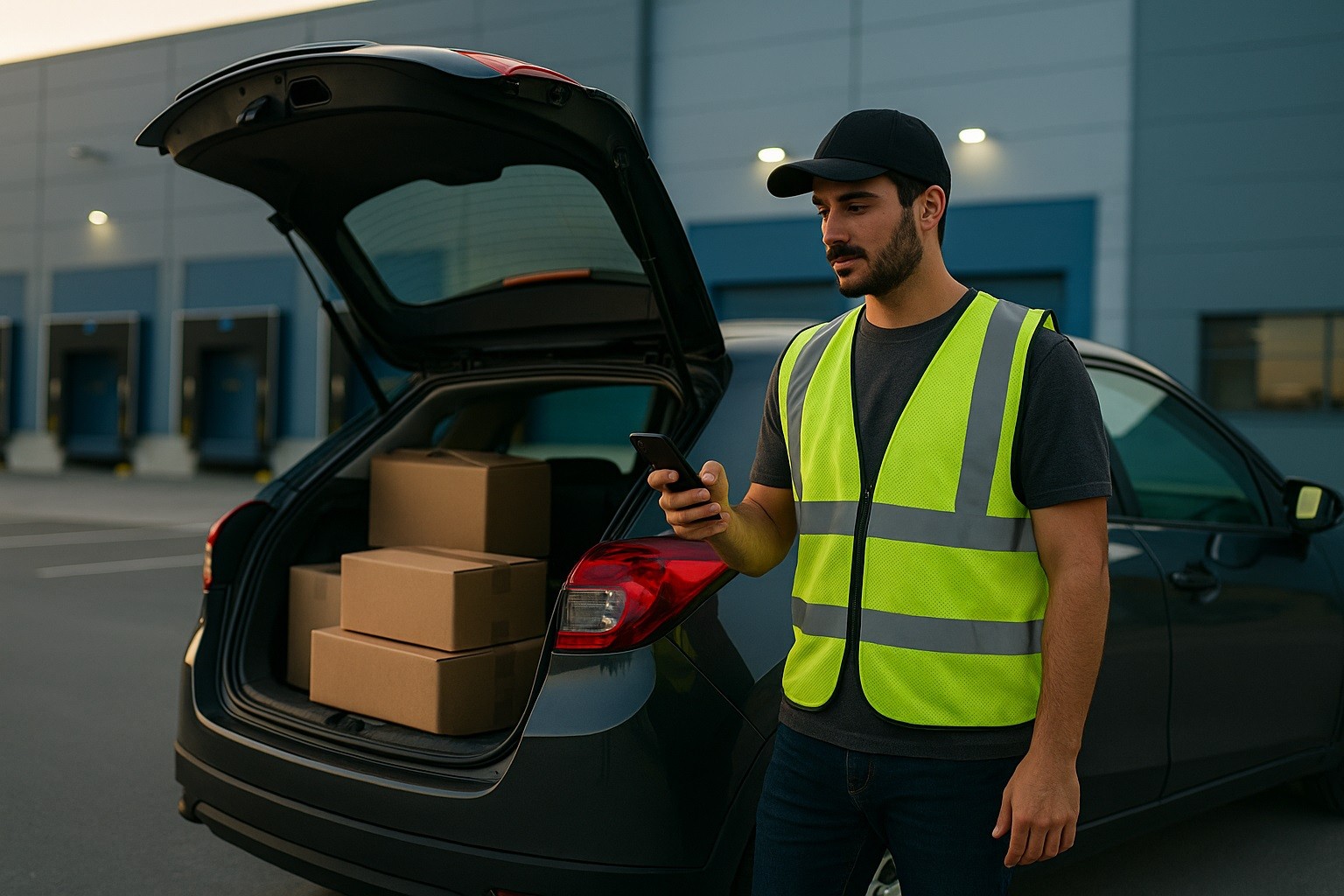
When do Amazon Flex blocks drop
There is no single national drop time. Drops align with local warehouse waves and delivery windows.
Many drivers watch early morning, late morning, mid-afternoon, and early evening.
Expect heavier release activity in holidays, event weeks, and weekends.
Why Is It So Hard to Get Amazon Flex Blocks
Competition is high in busy markets. Many drivers refresh constantly and accept blocks in seconds. Some stations post fewer blocks outside peak windows.
If you cancel often or arrive late, your access can weaken. Broad filters slow your decision time and fill your feed with unwanted stations.
Tighten your setup and commit quickly to good offers.
App for Amazon Flex blocks: the setup that helps
Use the official Amazon Flex app only. Enable high-priority notifications, precise location, and background data.
Keep a battery pack connected during refresh periods. Allow the app to run in the foreground when you expect drops.
Turn on Available Now when you park near pickup sites. Limit filters to one or two nearby stations for faster choices.
How to Get Amazon Flex Blocks: The Core Routine
Build a disciplined refresh routine. Pick two to four drop windows in your area. Park near your top station 10–15 minutes before those windows.
Open Offers and refresh steadily with minimal distractions. Accept immediately when the block matches your distance, start time, and duration.
Avoid second-guessing once you tap accept.
Advanced Tactics For Catching More Routes
Focus on station mastery. Learn the neighborhoods, traffic patterns, and typical load sizes for each dock.
Favor stations with short drive-outs and clustered addresses. Track promotions and peak-pay days for each station.
Use Instant Offers as a filler when your schedule has gaps. Keep the app open and your phone unlocked during high-likelihood moments.
Protecting your standing and access
Your standing influences access. Arrive on time for scheduled blocks. Communicate issues at the station before departure.
Keep returns low by scanning carefully and verifying units. Avoid last-minute cancellations whenever possible.
If you need to decline future work, do it early. Stable performance protects your feed quality over time.
Practical station strategy
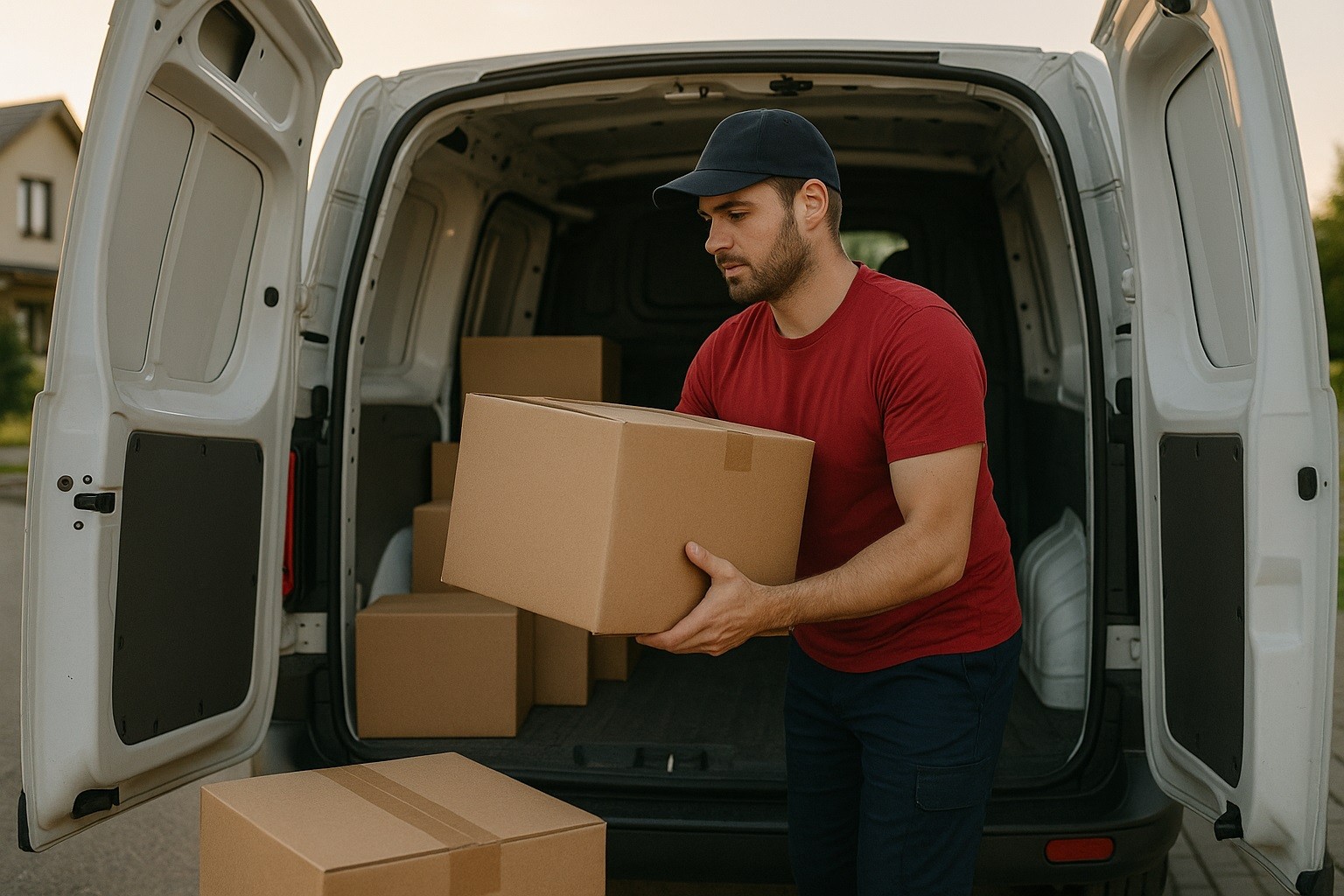
Arrive a few minutes early. Park where you can leave quickly and safely. Load totes in the delivery order when possible.
Sort the vehicle so the first stops are closest to you. Confirm fragile items and special instructions.
Ask at the dock if the route looks mismatched to the block length.
Driving efficiency that lifts net pay
Use a clean route flow. Follow the app sequence unless local knowledge saves time. Avoid unnecessary backtracking by watching turn restrictions and dead ends.
Do not chase low-density far suburbs if urban clusters are available. Keep the vehicle organized to prevent rescans and delays.
Small consistency gains compound into higher hourly net.
Safety, Compliance, and Fairness
Use only the official app to accept blocks. Do not use bots or third-party block grabbers. These tools risk account restrictions and removal.
Keep required insurance and registration current. Follow local traffic laws and building policies. Be professional with customers and station staff.
Troubleshooting Low Block Availability
If your feed looks thin, try these steps. Tighten filters to one or two stations. Move physically closer to your top station and enable Available Now.
Refresh during known waves rather than randomly. Check if your standing shows any alerts. Reduce cancellations for several weeks to stabilize your metrics.
Consider adjusting your hours toward busier windows.
Seasonal, event, and weather effects
Expect more volume in holidays and major retail events. Weather can compress routes and increase surge pay in some markets.
Plan to be available during those windows. Keep rain gear and vehicle essentials ready to avoid downtime.
Watch local news for traffic disruptions that could slow deliveries. Stay flexible and ready to shift stations when demand moves.
Quick Reference Checklist
Important themes of the Amazon Flex blocks routes guide.
- Phone: high-priority notifications, strong data, battery pack.
- App: Available Now near stations, Offers tab visible, keep foreground.
- Filters: one or two close stations, realistic distance and start times.
- Timing: position 10–15 minutes before likely drops.
- Acceptance: tap fast on matching blocks; avoid last-second doubts.
- Execution: arrive on time, load smart, minimize returns.
- Records: log miles, time, pay, and notes after each block.
Final Takeaways of Amazon Flex Blocks Routes Guide
Focus on predictable drop windows and tight filters. Keep the app ready, your phone powered, and your car organized.
Protect your standing with on-time performance and low returns. Use Instant Offers strategically when parked near pickup.
Track your data and refine your schedule every two weeks. That is how you catch more routes, maximize blocks, and raise your net without shortcuts.